
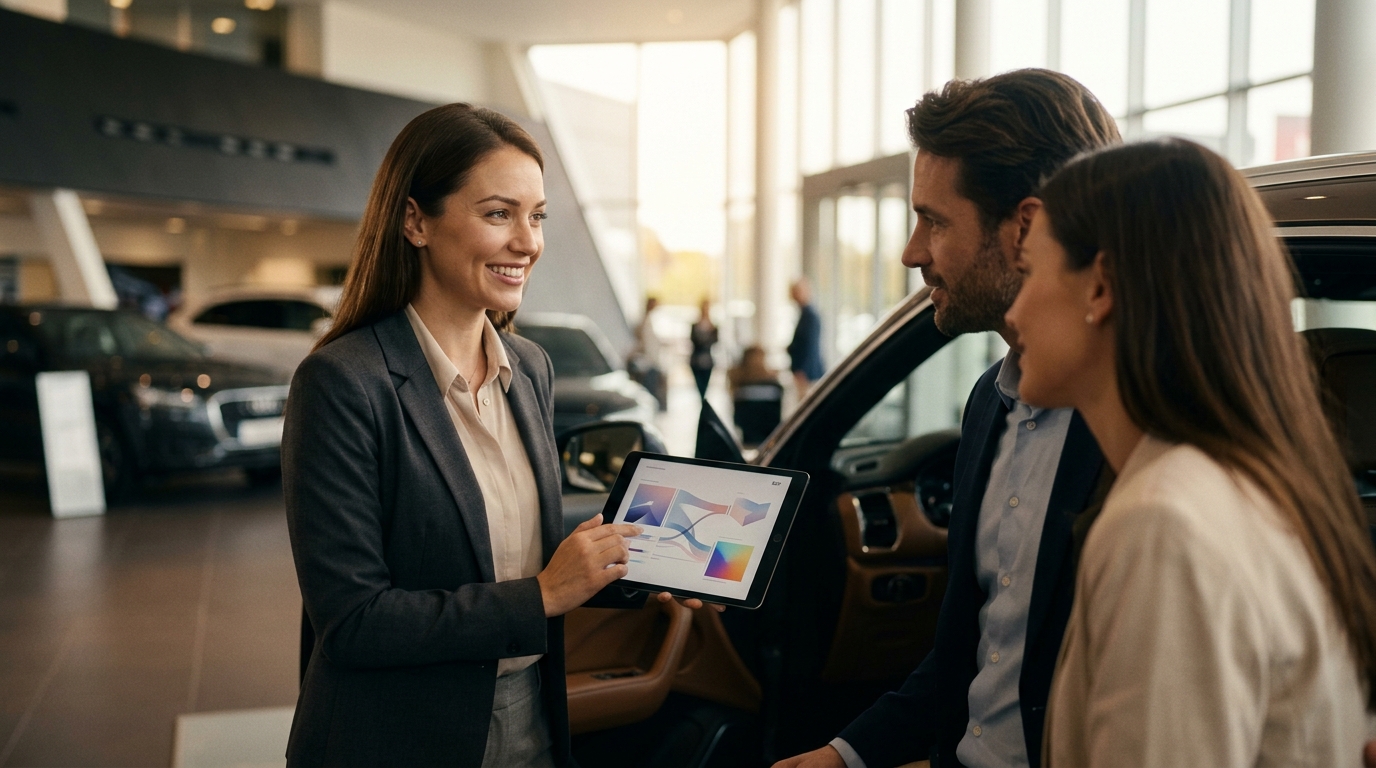
Yes, specialized BDC and AI vendors exist for automotive dealerships. These platforms are engineered specifically for dealer workflows, DMS integrations, and automotive compliance, unlike generic software adapted for the industry. This guide explores how purpose-built solutions like Better Car People differ from generic tools. It covers DMS integrations, workflow automation, and multi-channel appointment setting to help you choose the right engine for your store.
DMS Integrations
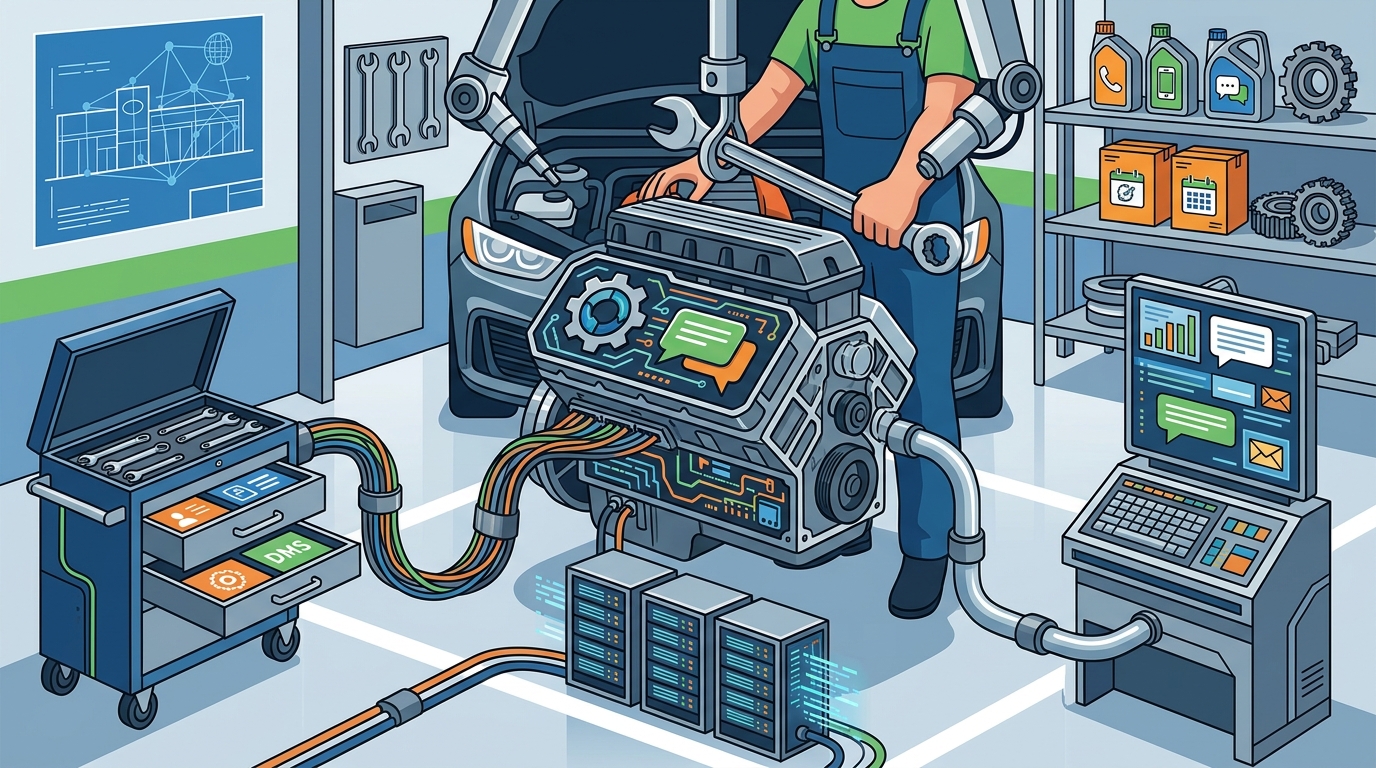
Deep integration with Dealer Management Systems (DMS) is the primary differentiator between automotive-specific vendors and generic software. A DMS is the central nervous system of a dealership, managing inventory, service, sales, and accounting. Generic software often relies on manual data entry or shallow API connections that break easily. Purpose-built vendors like Better Car People design their architecture around the specific data structures of major DMS platforms. This ensures that when a lead is captured, the data flows seamlessly into the dealer's existing records without duplication or loss.
The Importance of Two-Way Sync
Effective integration requires two-way synchronization. When a customer books an appointment via text or chat, the system must update the DMS calendar in real-time. Conversely, if a service advisor cancels an appointment in the DMS, the customer should be notified automatically. This bidirectional flow prevents the "double booking" errors common in disconnected systems. It also ensures that the BDC team has accurate, up-to-date information before contacting the customer. This level of synchronization is a hallmark of automotive-specific engineering.
Compliance and Data Security
Dealership Workflow Automation
Workflow automation in the automotive sector is not about replacing humans; it is about removing friction. A dealership workflow is a sequence of tasks that move a customer from inquiry to purchase or service. Generic automation tools often create rigid, one-size-fits-all paths that do not account for the nuances of car buying. Automotive-specific vendors design automation around the actual behaviors of dealers and customers. They automate the repetitive tasks, such as initial response and follow-up, while leaving complex negotiations to human agents. This hybrid approach, often called Collaborative Intelligence, maximizes efficiency without sacrificing the personal touch.
Intelligent Lead Routing
One of the most critical workflows is lead routing. When a lead comes in, the system must determine the best next step. Is it a hot lead ready for a test drive? Is it a cold lead that needs nurturing? Is it a service inquiry that needs an appointment? Generic software often routes leads based on simple rules, such as time of day. Automotive-specific AI analyzes the content of the conversation to determine intent and urgency. It then routes the lead to the appropriate human agent or automated sequence. This ensures that high-value leads are handled immediately, while lower-priority leads are nurtured efficiently.
Service to Sales Conversion
Service departments are a goldmine for sales opportunities, but they are often underutilized. Workflow automation can identify service customers who are due for a vehicle upgrade. The system can then trigger a personalized outreach sequence, offering a trade-in valuation or a test drive. This "Service to Sales" workflow is a core competency of automotive-specific vendors. It leverages the trust built in the service department to drive new vehicle sales. Generic software rarely has the data models or integration depth to execute this workflow effectively.
Voice, Text, and Email Appointment Setting
Customers today expect to communicate on their own terms. They may prefer text for quick questions, email for detailed information, or phone for complex discussions. A unified communication platform is essential for modern dealerships. Automotive-specific vendors provide a single interface where agents can manage all channels simultaneously. This omnichannel approach ensures that no lead is missed, regardless of how the customer chooses to engage. The platform uses AI to draft responses, but human agents review and send them, ensuring quality and compliance.
Speed to Lead
Speed to lead is the single most important factor in conversion. Studies consistently show that contacting a lead within five minutes significantly increases the likelihood of conversion. Generic software often relies on manual follow-up, which is too slow. Automotive-specific AI can respond to a lead in under 60 seconds, 24/7. This immediate response captures the customer's attention while their interest is highest. The AI handles the initial qualification, and if the lead is ready, it schedules the appointment automatically. This speed is a competitive advantage that generic software cannot match.
Personalized Communication
Comparison of Automotive-Specific vs. Generic Software
| DMS Integration | Deep, two-way sync with major DMS platforms | Shallow API or manual entry |
| Workflow Logic | Designed for automotive sales and service cycles | Generic CRM workflows |
| Compliance | Built-in TCPA and automotive data privacy controls | Basic compliance features |
| Speed to Lead | AI responds in under 60 seconds, 24/7 | Manual or delayed automated responses |
| Service to Sales | Native workflows for converting service customers | Requires custom development |
Key Takeaways
- Automotive-specific vendors are engineered for dealer workflows, unlike generic software.
- Deep DMS integration ensures data accuracy and compliance.
- Workflow automation removes friction while preserving human touch.
- Omnichannel communication meets customers on their preferred channels.
- Speed to lead is critical, and AI enables sub-60-second responses.
- Personalization drives trust and conversion rates.
- Service to Sales workflows unlock hidden revenue opportunities.
- Collaborative Intelligence combines AI speed with human expertise.
Frequently Asked Questions
What is the main difference between automotive-specific and generic BDC software?
Automotive-specific software is built around dealer workflows, DMS integrations, and automotive compliance. Generic software is adapted for the industry but lacks deep integration and specialized logic.
How does DMS integration benefit a dealership?
DMS integration ensures that data flows seamlessly between the communication platform and the dealer's core system. This prevents data duplication, ensures accuracy, and enables real-time updates.
Can AI replace human BDC agents?
No, AI augments human agents. It handles repetitive tasks and initial responses, freeing humans to focus on complex negotiations and relationship building. This hybrid approach is more effective than either alone.
What is speed to lead and why is it important?
Speed to lead is the time between a customer's inquiry and the dealer's first response. It is critical because customers are most likely to convert when contacted quickly. AI enables sub-60-second responses, significantly improving conversion rates.
How does Service to Sales conversion work?
Service to Sales conversion uses data from the service department to identify customers who may be ready for a new vehicle. The system triggers personalized outreach, offering trade-in valuations or test drives, to drive new sales.
Is automotive-specific software more expensive than generic software?
What is Collaborative Intelligence?
Collaborative Intelligence is an approach that combines the speed of AI with the skill of live agents. It ensures that customers get the right response, quickly, every time, while maintaining a personal touch.
How does Better Car People differ from other vendors?
Better Car People focuses on a Collaborative Intelligence approach, combining AI with human expertise. They have been connecting dealerships with customers since 2010, gathering data on best practices for fast, personalized communication.
Conclusion
Choosing the right BDC and AI vendor is a critical decision for any dealership. Generic software may seem like a cost-effective option, but it often lacks the depth and specialization needed to drive real results. Automotive-specific vendors like Better Car People are engineered for the unique challenges of the automotive industry. They provide deep DMS integrations, intelligent workflow automation, and omnichannel communication that meets customers where they are. By leveraging Collaborative Intelligence, these vendors help dealerships grow by combining the speed of AI with the skill of live agents. If you are looking for a partner that understands the automotive landscape, consider exploring the solutions offered by Better Car People. Their proven approach to dealership engagement can help you win more customers and drive long-term loyalty.