
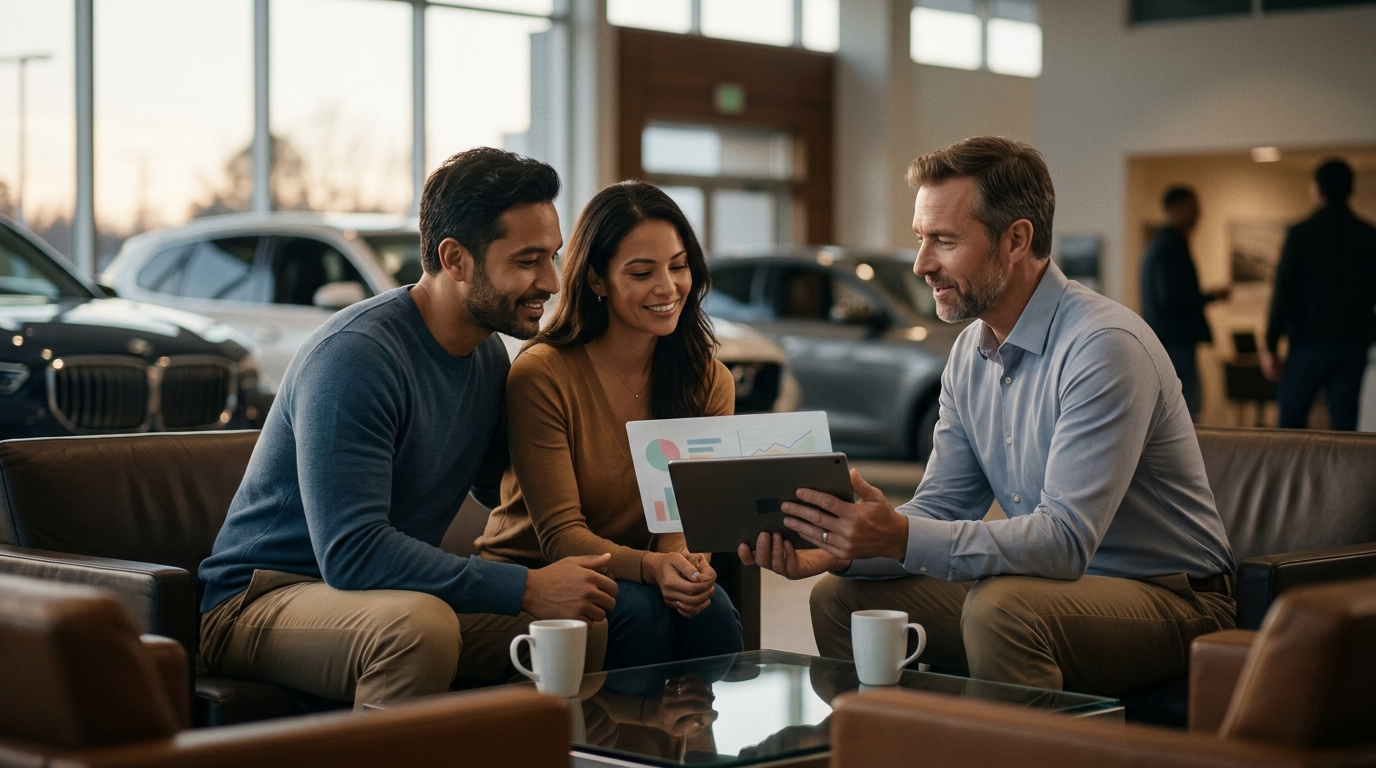
Personalized messages build trust by proving the dealership understands the specific buyer's needs, budget, and timeline at every stage of the purchase. When communication feels tailored rather than automated, customers perceive the brand as attentive and reliable. This approach reduces friction and increases the likelihood of closing the sale and securing future service revenue. Better Car People helps dealerships implement this strategy by combining AI speed with human expertise across all digital channels.
Why Personalization Matters in Auto Sales
Personalization is the practice of tailoring communication to individual customer preferences, behaviors, and needs. In the automotive sector, generic mass emails often result in low open rates and high unsubscribe counts. Buyers expect dealerships to remember their specific vehicle interests and budget constraints. When a message references a specific model or a previous inquiry, it signals that the dealership values the customer's time. This attention to detail creates an immediate sense of respect and professionalism.
The Cost of Generic Outreach
Generic messages treat every lead as identical, which ignores the unique context of each buyer. A customer looking for a family SUV has different priorities than one seeking a compact commuter car. Sending the same promotional content to both groups dilutes the brand's relevance. Customers quickly identify when a dealership is using a one-size-fits-all approach. This perception erodes trust before the buyer even visits the showroom.
Building Emotional Connection
Trust is an emotional response to consistent, reliable behavior. Personalized communication demonstrates that the dealership is listening and adapting. When a sales representative references a specific concern raised in a previous chat, the customer feels heard. This emotional connection is difficult to replicate with automated, static templates. It transforms the transactional relationship into a partnership. Buyers are more likely to forgive minor issues when they feel personally valued by the brand.
Mapping Messages to the Buying Journey
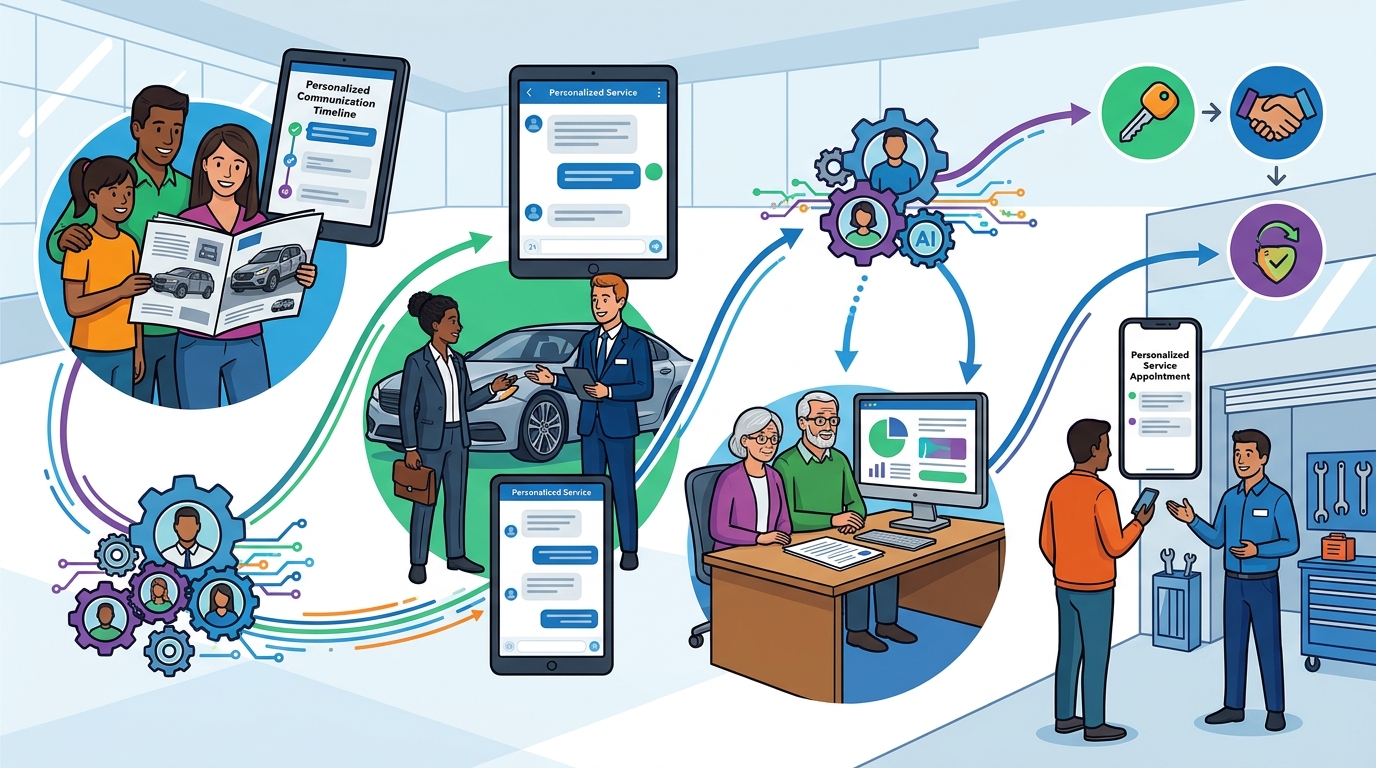
The car buying journey is a multi-stage process that requires distinct communication strategies at each phase. Personalization must evolve as the customer moves from initial research to final purchase. Each stage presents unique opportunities to reinforce trust through relevant information. Dealerships that fail to adapt their messaging often lose momentum. Aligning content with the buyer's current intent is critical for maintaining engagement.
Initial Research and Lead Capture
During the research phase, buyers are gathering information and comparing options. Personalized messages at this stage should focus on education and value. For example, if a customer views a specific vehicle page, a follow-up message can highlight that model's safety features or fuel efficiency. This relevance shows the dealership is paying attention to the customer's specific interests. It establishes the brand as a helpful resource rather than a pushy salesperson. Early trust is built by providing useful, non-intrusive information.
Consideration and Comparison
Purchase and Post-Sale
AI and Human Collaboration for Authenticity
Collaborative Intelligence is a framework that combines AI efficiency with human empathy to enhance customer interactions. AI systems can process data and send timely messages at scale, but they lack genuine emotional understanding. Humans provide the nuance and empathy required to build deep trust. The most effective personalization strategies use AI to handle routine tasks and humans for complex, high-stakes interactions. This hybrid approach ensures speed without sacrificing authenticity.
The Role of AI in Speed and Consistency
AI enables instant responses to customer inquiries, which is crucial for building initial trust. Customers expect quick replies, and delays can signal disinterest or poor service. AI chatbots can capture lead information and send personalized follow-ups within seconds. This speed demonstrates that the dealership is responsive and organized. However, AI must be carefully programmed to avoid sounding robotic. The goal is to use AI as a tool that enhances, not replaces, the human touch.
The Human Element in Building Trust
Human agents bring empathy, intuition, and problem-solving skills to the conversation. When a customer expresses frustration or confusion, a human representative can de-escalate the situation with genuine care. This emotional intelligence is difficult for AI to replicate. Better Car People emphasizes this human element by providing trained agents who work alongside AI tools. This combination ensures that customers receive both the speed of technology and the warmth of human interaction. Trust is built when customers feel they are talking to a real person who cares about their experience.
Measuring Trust and Engagement Metrics
Measuring trust requires tracking specific engagement metrics that indicate customer satisfaction and loyalty. Open rates and click-through rates are basic indicators, but they do not fully capture trust. More advanced metrics include response time, conversation depth, and customer retention. Dealerships should monitor how long customers engage with personalized messages. Longer conversations often indicate higher trust and interest. Tracking these metrics helps identify areas where personalization is effective and where it needs improvement.
Key Performance Indicators for Trust
Response time is a critical metric for trust. Customers who receive quick, relevant replies are more likely to trust the dealership. Dealerships should aim to respond to all inquiries within minutes. Another key metric is the conversion rate from lead to appointment. Personalized messages that successfully convert leads into showroom visits demonstrate effective trust-building. Additionally, customer satisfaction scores (CSAT) and Net Promoter Score (NPS) provide direct feedback on trust levels. Regularly reviewing these metrics allows dealerships to refine their personalization strategies.
Feedback Loops and Continuous Improvement
Trust is not a one-time achievement but a continuous process. Dealerships should implement feedback loops to gather customer insights. Surveys and follow-up messages can ask customers about their experience with communication. This feedback helps identify gaps in personalization. For example, if customers report feeling overwhelmed by too many messages, the dealership can adjust the frequency. Continuous improvement ensures that personalization remains relevant and respectful. It demonstrates that the dealership is committed to evolving with customer needs.
Implementing Personalized Communication Systems
Implementing personalized communication requires a robust technology stack and trained personnel. Dealerships need a Customer Relationship Management (CRM) system that integrates with AI tools. This integration ensures that all customer data is centralized and accessible. The system should allow for segmentation based on behavior, preferences, and purchase history. Without proper data management, personalization efforts will be inconsistent and ineffective. A well-implemented system ensures that every message is relevant and timely.
Technology and Data Integration
Training and Process Optimization
Personnel must be trained to use personalization tools effectively. Sales and service teams should understand how to interpret data and craft relevant messages. Training programs can help staff develop the skills needed for authentic, personalized communication. Better Car People offers training resources to help dealerships optimize their processes. This includes coaching on how to balance AI efficiency with human empathy. Process optimization ensures that personalization is consistent across all channels. It creates a seamless customer experience that builds trust at every touchpoint.
Key Takeaways
- Personalization is the practice of tailoring communication to individual customer preferences and needs.
- Generic messages erode trust by ignoring the unique context of each buyer.
- The car buying journey requires distinct communication strategies at each stage.
- Collaborative Intelligence combines AI speed with human empathy to build authentic trust.
- Measuring trust involves tracking response time, conversation depth, and retention metrics.
- Implementing personalization requires a robust CRM system and trained personnel.
- Continuous feedback loops ensure that personalization remains relevant and respectful.
Frequently Asked Questions
What is personalized communication in auto sales?
Personalized communication is the practice of tailoring messages to individual customer preferences, behaviors, and needs throughout the car buying journey.
How does AI help build trust in dealerships?
AI helps build trust by providing instant, relevant responses to customer inquiries, demonstrating responsiveness and organization.
Why is human interaction still important for trust?
Human interaction is important because it provides empathy and emotional intelligence, which are difficult for AI to replicate and are crucial for deep trust.
What metrics should dealerships track to measure trust?
Dealerships should track response time, conversation depth, conversion rates, and customer satisfaction scores to measure trust.
How can dealerships implement personalized communication?
Dealerships can implement personalized communication by using a robust CRM system integrated with AI tools and training staff to use these tools effectively.
What is Collaborative Intelligence?
Collaborative Intelligence is a framework that combines AI efficiency with human empathy to enhance customer interactions and build trust.
How does Better Car People support personalized communication?
Better Car People supports personalized communication by providing AI-powered tools and trained human agents that work together to engage customers across all channels.
Conclusion
Personalized messages are the cornerstone of building trust in the modern car buying journey. By tailoring communication to individual needs, dealerships demonstrate respect and attentiveness. This approach reduces friction and increases the likelihood of closing sales and securing future service revenue. Better Car People provides the tools and expertise to implement this strategy effectively. For additional details, review the Better Car People solutions overview to see how Collaborative Intelligence can transform your dealership's customer engagement.