

Yes, specialized automotive BDC and AI vendors exist to serve dealerships directly. These platforms are engineered for automotive workflows, not generic software adapted for the industry. This guide explores how purpose-built solutions handle DMS integrations, workflow automation, and multi-channel appointment setting to drive revenue. according to Approved Software Vendors For additional details, review the About us Better Car.
DMS and CRM Integrations
Deep integration with Dealer Management Systems (DMS) and Customer Relationship Management (CRM) tools is the foundation of any effective dealership technology. Generic software often struggles to sync data accurately with automotive-specific platforms. A specialized vendor ensures that lead data, inventory status, and customer history flow seamlessly between systems. For additional details, review the OEM Programs Better Car.
The Importance of Native DMS Connectivity
Native connectivity allows for real-time updates. When a customer inquires about a specific vehicle, the system must immediately verify stock and pricing within the DMS. This eliminates the friction of manual data entry and reduces the risk of quoting incorrect information. Dealerships rely on this accuracy to maintain trust with potential buyers.
CRM Synchronization for Lead Management
Overcoming Integration Challenges
Many generic tools require complex middleware to connect with DMS platforms. This adds cost and potential points of failure. Purpose-built automotive vendors design their APIs specifically for major DMS providers. This ensures stable, high-speed data exchange that supports high-volume lead processing without degrading system performance.
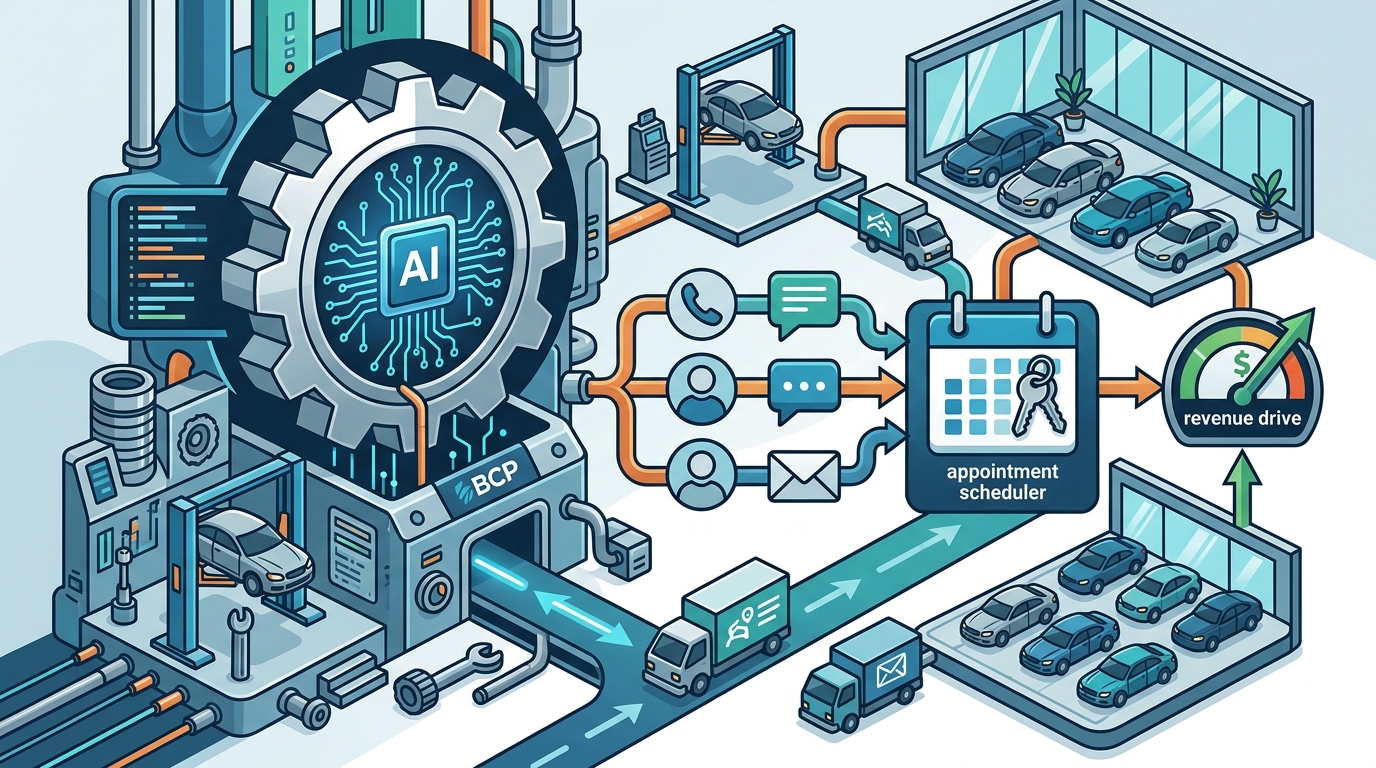
Dealership Workflow Automation
Workflow automation in the automotive sector goes beyond simple task scheduling. It involves intelligent routing of leads based on customer intent, vehicle interest, and availability. Dealerships face unique challenges such as shift changes, service bay capacity, and sales floor congestion. Automation must account for these operational realities to be effective.
Intelligent Lead Routing
Automated systems can analyze lead quality and route them to the appropriate team member. A high-intent buyer looking for a specific model might be routed to a senior salesperson, while a general inquiry might go to a BDC representative. This ensures that the right person handles the conversation at the right time. It maximizes conversion rates by matching expertise with customer needs.
Service Department Optimization
Service workflows require precise coordination between customers, advisors, and technicians. Automation can pre-qualify service needs, check technician availability, and schedule appointments into open slots. This reduces wait times and improves customer satisfaction. It also helps service managers balance workload across their team effectively.
Compliance and Data Security
Automated workflows must adhere to strict data privacy and communication laws. Specialized vendors build compliance checks directly into their automation logic. This ensures that messages are sent at appropriate times and that customer data is handled securely. Generic tools often lack these industry-specific safeguards, putting dealerships at risk. according to ABI Software Vendors
Voice, Text, and Email Appointment Setting
Modern customers expect to communicate through their preferred channels. A robust BDC solution must handle voice calls, text messages, and emails with equal proficiency. The goal is to convert inquiries into booked appointments seamlessly, regardless of the channel used. This multi-channel approach is critical for capturing leads in a competitive market.
AI-Driven Voice Interaction
AI voice agents can answer calls 24/7, handling common questions and scheduling appointments. They can transfer complex issues to human agents when necessary. This ensures that no call goes unanswered, even outside of business hours. The technology must understand automotive terminology and context to provide accurate responses.
Text and Email Engagement
Texting and emailing are often preferred by younger demographics. Automated systems can send personalized messages that feel conversational rather than robotic. They can follow up on previous interactions and remind customers of upcoming appointments. This consistent engagement keeps the dealership top of mind and drives return visits.
Unified Communication Platform
A unified platform consolidates all communication channels into a single interface. This allows BDC representatives to view the full history of a customer's interactions across voice, text, and email. It provides context for more personalized conversations and ensures a consistent customer experience. This holistic view is a hallmark of specialized automotive vendors.
| DMS Integration | Often requires middleware | Native, real-time connectivity |
| Workflow Logic | General task automation | Automotive-specific routing and scheduling |
| Communication Channels | Basic email and phone | Unified voice, text, and email with AI |
| Compliance | General data privacy | Industry-specific communication rules |
| Support | General tech support | Automotive industry experts |
Key Takeaways
- Workflow automation in dealerships must account for unique operational factors like shift changes and bay capacity.
- Multi-channel appointment setting via voice, text, and email is essential for capturing modern leads.
- AI voice agents can handle 24/7 call answering and transfer complex issues to humans.
- Unified communication platforms provide a single view of customer interactions across all channels.
- Compliance with automotive communication regulations is built into specialized vendor solutions.
- Generic software often lacks the depth of integration and industry-specific logic required by dealerships. according to Form 8955 SSA
- Choosing a specialized vendor reduces implementation friction and improves overall ROI.
Frequently Asked Questions
What is a BDC in the automotive industry?
A BDC, or Business Development Center, is a team or system responsible for managing inbound and outbound leads. It handles initial contact, qualification, and appointment setting for sales and service departments.
How does AI improve BDC performance?
AI improves BDC performance by handling high-volume inquiries instantly, 24/7. It can qualify leads, answer common questions, and schedule appointments without human intervention, freeing up agents for complex tasks.
Why is DMS integration critical for BDC software?
DMS integration is critical because it provides real-time access to inventory, pricing, and customer history. Without it, BDC teams cannot accurately answer customer questions or schedule appointments based on actual availability.
Can generic CRM software be adapted for dealerships?
While generic CRMs can be adapted, they often lack the specific workflows and integrations needed for automotive operations. This can lead to inefficiencies and data sync issues that specialized vendors avoid.
What channels should a BDC support?
How does Better Car People differ from generic tools?
Better Car People combines AI with human expertise, specifically designed for dealerships. It offers a collaborative intelligence approach that drives appointments and sales through personalized, multi-channel engagement.
Conclusion
Dealerships seeking to maximize their lead conversion rates should prioritize specialized automotive vendors over generic software. The depth of DMS integration, the sophistication of workflow automation, and the capability for multi-channel appointment setting are critical differentiators. Better Car People offers a proven solution that combines AI power with human expertise to drive better results for your dealership. Explore how our collaborative intelligence approach can transform your BDC operations today.