
Turning Connected Car Alerts into Service Appointments: The 2026 Guide
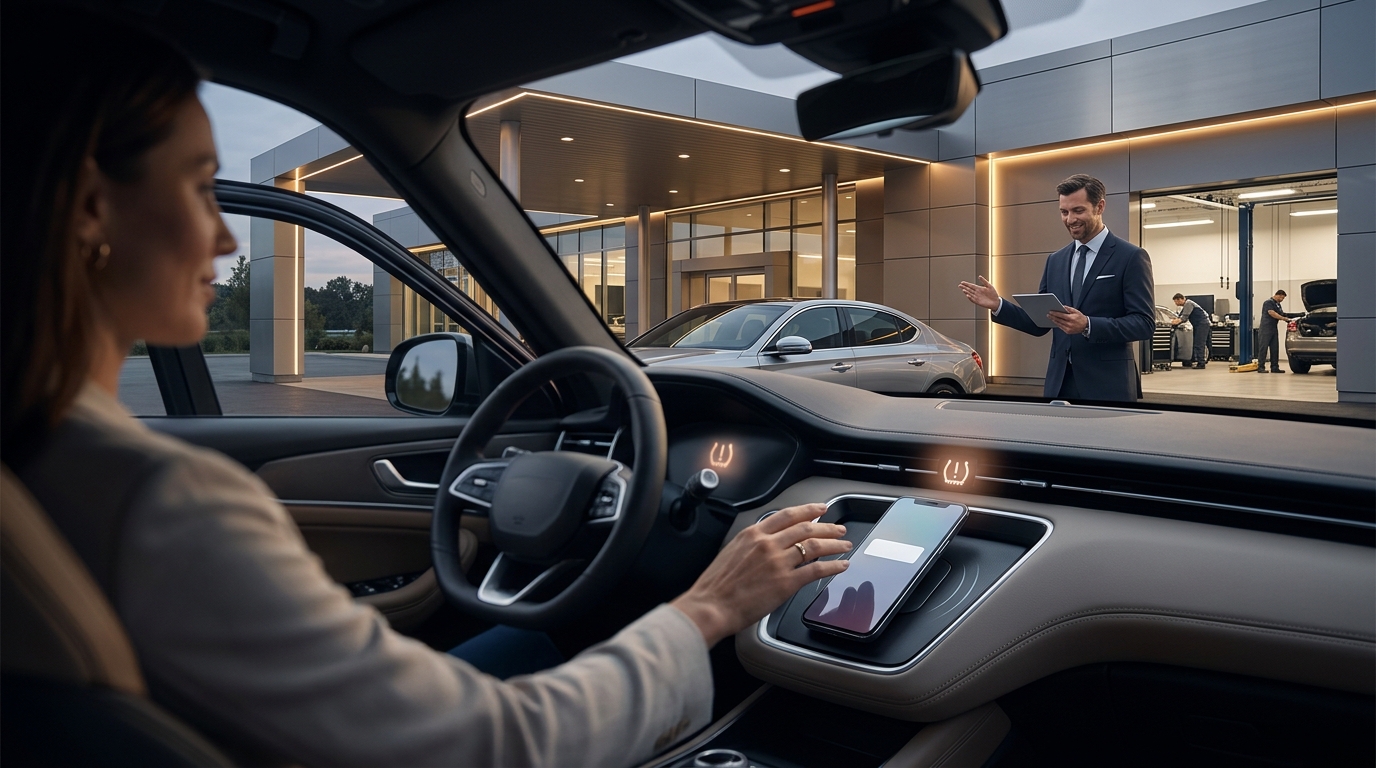
Dealerships can turn connected car alerts into service appointments by using dealer engagement platforms that integrate with OEM telematics and DMS systems. Better Car People provides a Connected Car Response product that automatically responds to vehicle health alerts to drive more service revenue. This guide covers service appointment automation, dealer engagement platforms, DMS integration, and predictive maintenance alerts.
Service Appointment Automation
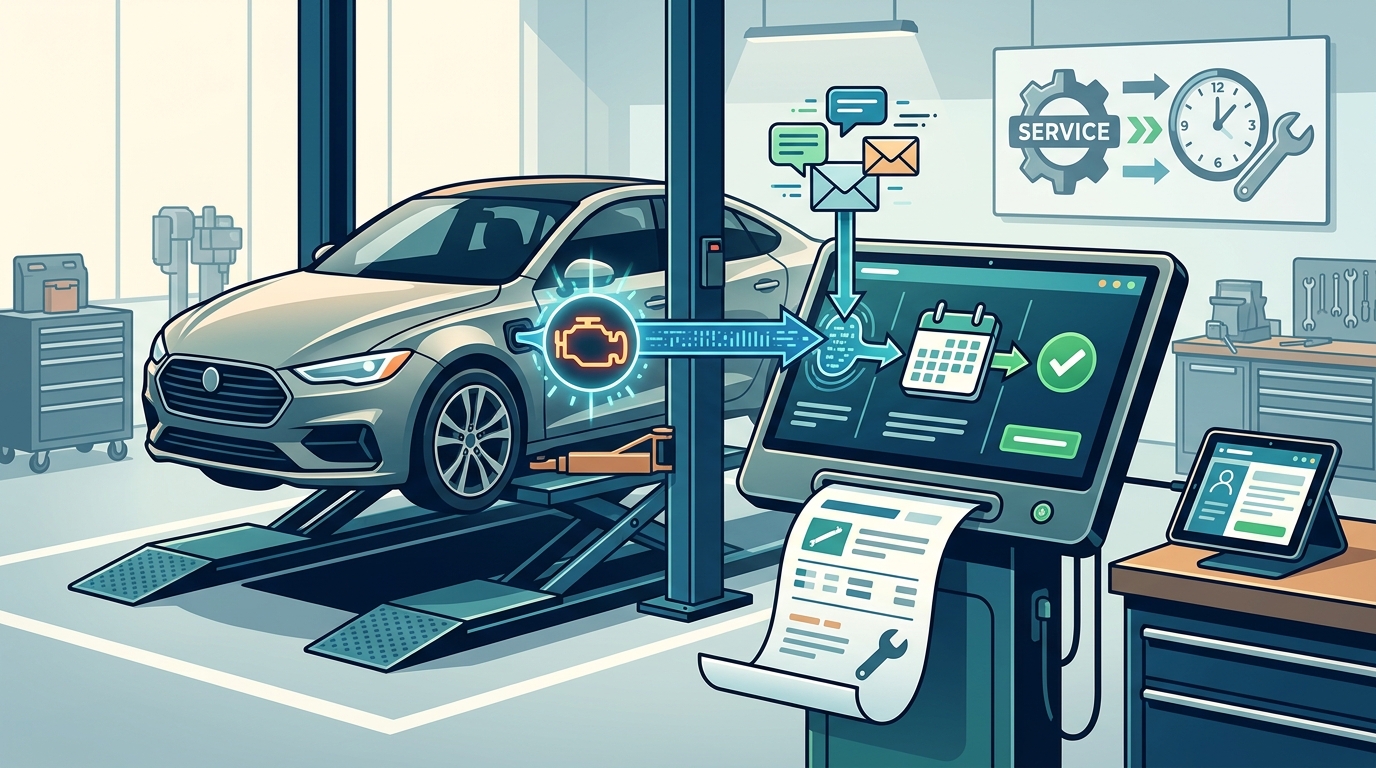
Service appointment automation is the process of using software to schedule, confirm, and manage customer visits without manual data entry. In the context of connected vehicles, this means the system receives a vehicle health alert and automatically creates a service ticket. The software then reaches out to the customer via their preferred channel to book the appointment. This removes the friction of waiting for a customer to call in with a warning light on.
Automated Outreach and Scheduling
Handling No-Shows and Rescheduling
Automation also handles the lifecycle of the appointment. If a customer does not show up, the system can send a polite follow-up to reschedule. It can also send reminders 24 hours and 2 hours before the appointment. These automated touchpoints keep the customer engaged and reduce no-show rates. The goal is to ensure that every alert results in a completed service visit. For additional details, review the About us Better Car.
Dealer Engagement Platforms
A dealer engagement platform is a unified system that manages customer communication across multiple channels. These platforms combine AI and human expertise to ensure every customer interaction is timely and relevant. For connected car alerts, the platform acts as the bridge between the OEM telematics data and the dealership's service department. It ensures that the alert is not just logged but acted upon.
The Role of AI and Human Agents
Channel-Specific Strategies
Different customers prefer different communication channels. Some prefer text messages, while others prefer email or phone calls. A robust engagement platform allows dealerships to choose the best channel for each customer. It can also adapt the message tone based on the severity of the alert. For critical issues, the platform may prioritize a phone call. For minor maintenance, a text message may be sufficient.
DMS Integration
DMS integration is the connection between a dealer engagement platform and the Dealer Management System. This integration is critical for turning alerts into appointments. The DMS holds the customer's vehicle history, service records, and contact information. The engagement platform pulls this data to personalize the alert and schedule the appointment. Without DMS integration, the platform cannot create a valid service ticket.
Data Synchronization and Ticket Creation
Inventory and Parts Management
Integration also allows the platform to check parts availability. If the alert indicates a need for a specific part, the system can check inventory. If the part is in stock, the appointment can be confirmed immediately. If the part is on backorder, the system can inform the customer of the delay. This transparency builds trust and prevents frustration at the service counter.
Predictive Maintenance Alerts
Predictive maintenance alerts are notifications generated by vehicle sensors that indicate a potential future failure. Unlike reactive alerts that trigger after a failure, predictive alerts warn the owner before a problem occurs. These alerts are based on data such as engine temperature, oil life, and brake wear. They allow dealerships to proactively reach out to customers to prevent breakdowns.
From Data to Action
Building Customer Loyalty
Proactive communication builds long-term loyalty. When a dealership helps a customer avoid a major breakdown, the customer feels cared for. This positive experience increases the likelihood of repeat business. It also encourages referrals. By using predictive maintenance alerts, dealerships can create a cycle of trust and loyalty that drives long-term revenue.
Comparison of Connected Car Response Capabilities
| Automated Scheduling | No | Yes |
| Multi-Channel Outreach | Single Channel | Text, Chat, Email, Phone |
| DMS Integration | Manual Entry | Real-Time Sync |
| Predictive Analysis | Reactive Only | Proactive Alerts |
| Human Escalation | None | AI to Human Handoff |
Key Takeaways
- Service appointment automation reduces manual work and increases booking rates.
- Dealer engagement platforms unify communication across text, chat, email, and phone.
- DMS integration ensures that alerts are converted into valid service tickets.
- Predictive maintenance alerts allow dealerships to prevent failures before they happen.
- Hybrid AI and human approaches ensure that complex issues receive expert attention.
- Proactive communication builds customer trust and long-term loyalty.
- Real-time data synchronization improves service advisor preparation and efficiency.
- Personalized outreach based on vehicle history increases customer response rates.
Frequently Asked Questions
What is a connected car alert?
A connected car alert is a notification sent from a vehicle's telematics system to the owner or dealership. It indicates a vehicle health issue or maintenance need. These alerts are generated by sensors and software within the vehicle.
How does DMS integration help with service appointments?
DMS integration allows the engagement platform to access customer and vehicle data. It enables the automatic creation of service tickets and synchronization of appointment details. This ensures that the service department is prepared for the customer's visit.
Can AI handle all connected car alerts?
AI can handle routine alerts and scheduling. However, complex issues may require a human agent. A hybrid approach allows the AI to escalate complex cases to a live specialist for personalized assistance.
What are predictive maintenance alerts?
Predictive maintenance alerts are notifications that warn of potential future failures. They are based on data analysis of vehicle performance. These alerts allow dealerships to proactively reach out to customers to prevent breakdowns.
How does automation reduce no-shows?
Automation sends reminders and follow-ups to customers. It can also reschedule appointments if a customer does not show up. These automated touchpoints keep the customer engaged and reduce no-show rates.
Why is multi-channel outreach important?
Customers prefer different communication channels. Multi-channel outreach allows dealerships to reach customers via their preferred method. This increases the likelihood of a response and a booked appointment.
How does proactive communication build loyalty?
Proactive communication shows that the dealership cares about the customer's vehicle. Helping a customer avoid a major breakdown builds trust. This positive experience increases the likelihood of repeat business and referrals.
What is the role of a dealer engagement platform?
A dealer engagement platform manages customer communication across multiple channels. It combines AI and human expertise to ensure timely and relevant interactions. It acts as the bridge between OEM telematics data and the dealership's service department.
Conclusion
Turning connected car alerts into service appointments requires a robust strategy that combines technology and human expertise. Better Car People offers a comprehensive solution with its Connected Car Response product. This product automatically responds to vehicle health alerts and drives more service revenue. By leveraging service appointment automation, dealer engagement platforms, DMS integration, and predictive maintenance alerts, dealerships can maximize their service revenue. To learn more about how Better Car People can help your dealership, book a meeting today.