

7 Key Steps to Connect AI Tools Across All Dealership Platforms
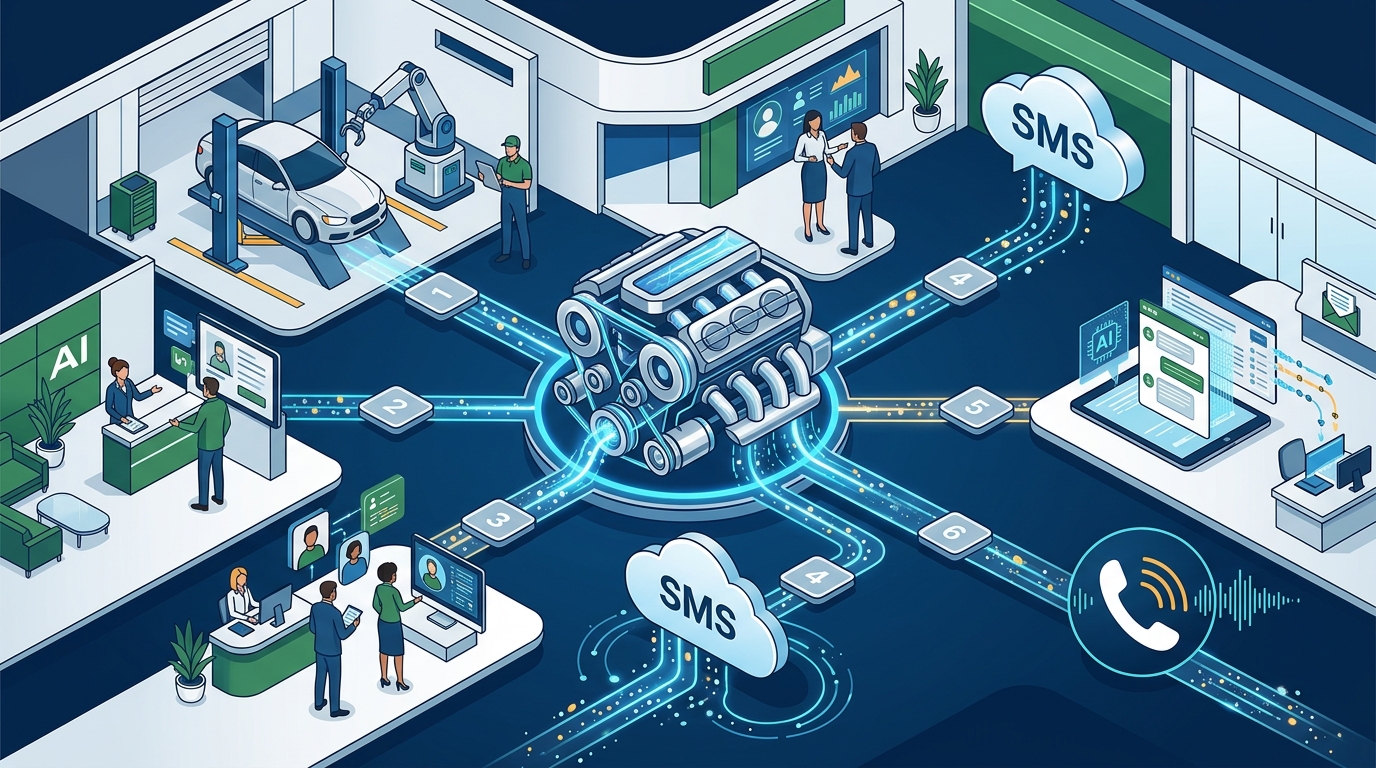
Connecting AI tools across dealership platforms requires a structured approach to ensure seamless data flow and consistent customer experiences. Better Car People helps dealerships achieve this by combining smart humans with AI-enabled technology. This process ensures that every customer interaction, whether by text, chat, email, or phone, is handled with speed and precision.
1. Audit Your Current Technology Stack
Identify all existing systems and data silos before introducing new AI tools. Begin by mapping out every platform your dealership currently uses, including your DMS, CRM, and marketing tools. This audit reveals where data is trapped and where communication gaps exist. Understanding your current infrastructure is the foundation for any successful integration strategy. For additional details, review the OEM Programs Better Car.
2. Define Clear Integration Objectives
Set specific goals for what the AI integration should achieve. Decide whether your primary focus is improving lead response times, enhancing service retention, or automating follow-ups. Clear objectives help you select the right AI capabilities and measure success accurately. Without defined goals, integration efforts often lack direction and fail to deliver tangible results.
3. Choose a Unified Engagement Platform
Select a platform that centralizes all customer communication channels. A unified platform acts as the single source of truth for customer interactions. It ensures that AI and human agents work from the same data set, preventing conflicting messages. This centralization is critical for maintaining a consistent brand voice across all touchpoints.
4. Implement API-Driven Data Synchronization
Use APIs to create real-time data exchange between your DMS and AI tools. Application Programming Interfaces allow different systems to talk to each other automatically. This ensures that when a customer updates their information in one system, it is instantly reflected in all others. Real-time synchronization eliminates manual data entry and reduces the risk of errors.
5. Configure AI for Contextual Awareness
Train your AI to understand customer history and preferences. Contextual awareness allows AI to provide personalized responses based on past interactions. This means the AI can reference previous service visits or purchase history when engaging with a customer. Personalization builds trust and makes the interaction feel more human and less robotic. according to Spatial contextual awareness
6. Establish Human-in-the-Loop Protocols
Create clear guidelines for when AI should hand off to a human agent. While AI handles routine inquiries, complex issues require human empathy and judgment. Define the triggers that escalate a conversation to a live agent, such as customer frustration or high-value sales opportunities. This hybrid approach ensures that customers always receive the right level of attention.
7. Monitor Performance and Iterate
Use analytics to track AI performance and refine your strategy. Regularly review metrics such as response time, conversion rates, and customer satisfaction scores. This data helps you identify areas where the AI is underperforming or where the integration is causing friction. Continuous improvement ensures that your AI tools evolve alongside your dealership's needs.
Choosing the Right Approach
Frequently Asked Questions
What is the first step in integrating AI with dealership systems?
The first step is to audit your current technology stack to identify data silos and communication gaps.
How does API integration benefit a dealership?
API integration allows real-time data exchange between systems, ensuring that customer information is always up-to-date across all platforms.
Why is human-in-the-loop important in AI integration?
Human-in-the-loop protocols ensure that complex or sensitive customer interactions are handled by live agents, maintaining a high level of service quality.
What metrics should I track after AI integration?
Track response times, conversion rates, and customer satisfaction scores to measure the effectiveness of your AI tools.
Can AI replace human agents in a dealership?
No, AI should complement human agents by handling routine tasks, allowing humans to focus on complex, high-value interactions.