

7 Essential Features for CRM and DMS Integration in BDC Platforms
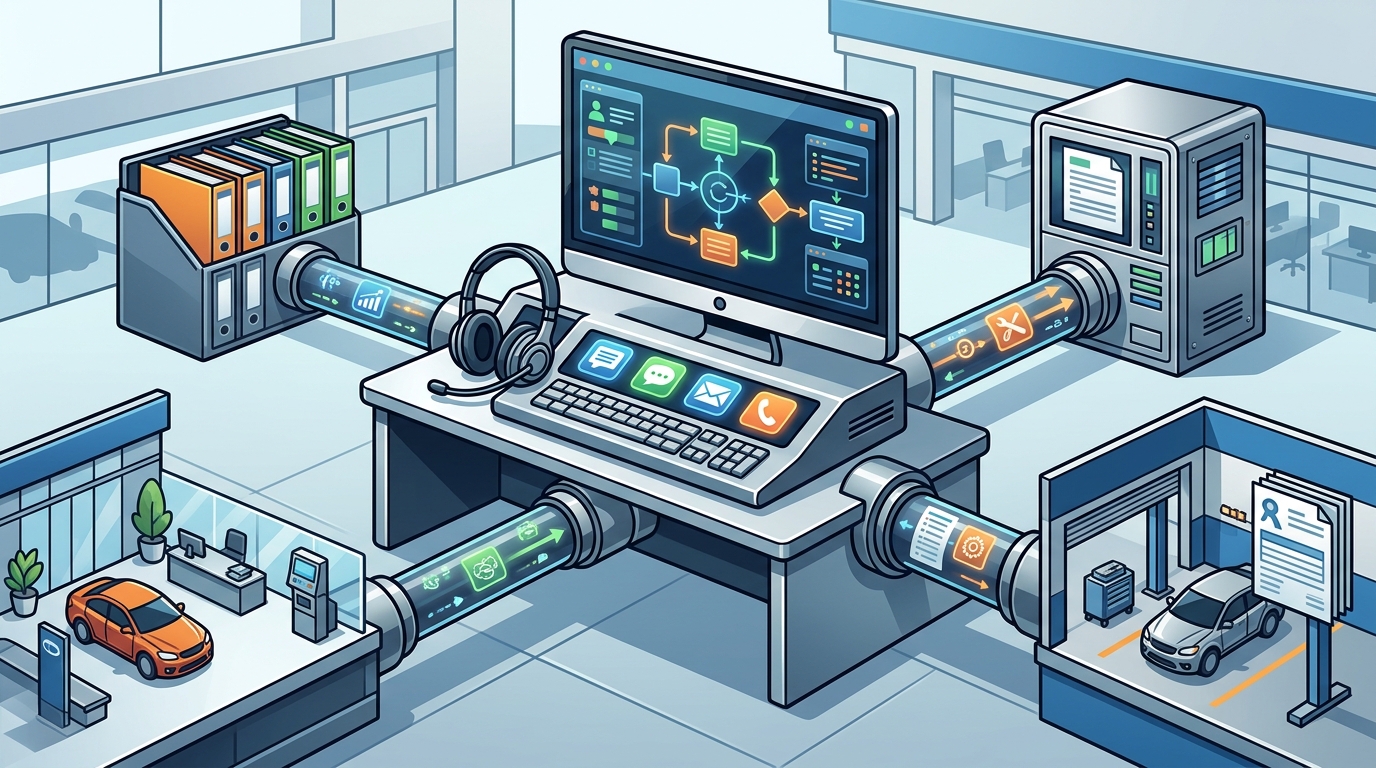
Connecting your Customer Relationship Management (CRM) and Dealer Management System (DMS) with a Business Development Center (BDC) platform is the foundation of modern dealership operations. A BDC platform is a centralized system that manages lead generation, follow-up, and customer communication across multiple channels. Effective integration ensures that every lead, appointment, and service record flows seamlessly between your sales and service departments. This connectivity eliminates data silos and allows your team to respond to customers with speed and accuracy. Better Car People emphasizes that a unified data ecosystem is critical for maintaining high conversion rates and customer satisfaction in the competitive automotive market.
1. Real-Time Two-Way Synchronization
Instant data flow prevents duplicate entries and stale information. Real-time synchronization ensures that when a lead is updated in the CRM, the DMS reflects that change immediately. This feature is vital for sales teams who need to know the exact status of a customer before making a call. It also helps service advisors see the latest vehicle history and appointment details without manual data entry. Without real-time sync, teams risk contacting customers with outdated information, which can damage trust and reduce conversion rates.
2. Unified Customer Profiles
A single view of the customer combines sales and service history. A unified customer profile aggregates data from both the CRM and DMS into one accessible record. This allows BDC representatives to understand the full journey of a customer, from their initial online inquiry to their most recent oil change. Having this context enables more personalized and relevant conversations. It helps agents identify cross-sell opportunities, such as suggesting a new vehicle to a loyal service customer. This holistic view is a key differentiator for platforms that prioritize customer-centric engagement.
3. Automated Lead Routing and Assignment
Intelligent routing ensures the right agent handles the right lead. Automated routing uses predefined rules to assign leads to specific BDC representatives based on criteria like vehicle interest, location, or agent availability. This feature reduces response times by eliminating the need for manual lead distribution. It also ensures that no lead is overlooked, which is critical for maintaining high first-response rates. Effective routing systems can prioritize high-value leads, ensuring that your most promising opportunities receive immediate attention from your best-performing agents.
4. Comprehensive Call and Chat Analytics
Deep analytics provide visibility into agent performance and customer sentiment. Advanced analytics tools track key metrics such as call duration, response time, and conversion rates. They also analyze the content of conversations to identify common customer questions and objections. This data helps managers coach their teams with specific, actionable insights. By understanding what works and what does not, dealerships can refine their scripts and improve overall BDC performance. Analytics are essential for continuous improvement and accountability within the BDC team.
5. Seamless Appointment Scheduling
Direct integration with the DMS calendar simplifies booking and confirmation. A robust BDC platform should allow agents to book, reschedule, and confirm appointments directly within the DMS. This eliminates the need to switch between systems or use manual phone calls to the service department. Automated reminders and confirmations can be sent via text or email, reducing no-show rates. Smooth scheduling integration is a major driver of service department efficiency and customer satisfaction. It ensures that the service team has an accurate and up-to-date view of their daily workload.
6. Multi-Channel Communication Hub
Centralizing text, chat, email, and phone in one interface boosts efficiency. A multi-channel hub allows BDC agents to manage all customer interactions from a single dashboard. This is crucial in today's digital-first environment, where customers expect to communicate via their preferred channel. Agents can switch between channels seamlessly, maintaining context throughout the conversation. This capability ensures consistent and timely responses, regardless of how the customer reaches out. It is a core component of a modern, customer-centric BDC strategy.
7. Robust Security and Compliance Controls
Strong security protocols protect sensitive customer data and ensure regulatory compliance. Any BDC platform must adhere to strict data security standards, including encryption and access controls. Compliance with regulations like the TCPA is essential for managing text and call communications legally. A reliable platform provides audit trails and role-based access to ensure that only authorized personnel can view or modify customer data. Security is not just a technical requirement; it is a fundamental aspect of building and maintaining customer trust. Dealerships must prioritize platforms that take data protection seriously.
Choosing the Right Integration
Frequently Asked Questions
What is the primary benefit of integrating a BDC platform with a DMS?
The primary benefit is the elimination of data silos, which allows for a unified view of the customer. This integration ensures that sales and service teams have access to the same real-time data, leading to more personalized interactions and higher conversion rates.
How does real-time synchronization improve BDC performance?
Real-time synchronization ensures that all team members are working with the most current information. This reduces the risk of errors, such as contacting a customer about a vehicle they have already purchased, and allows for faster, more accurate responses to inquiries.
Why is a unified customer profile important for a BDC?
A unified customer profile provides context for every interaction, enabling agents to personalize their communication. It helps identify cross-sell opportunities and ensures that the customer feels recognized and valued, which builds long-term loyalty.
What role does analytics play in BDC management?
Analytics provide the data needed to measure performance and identify areas for improvement. By tracking metrics like response time and conversion rate, managers can coach their teams effectively and optimize their BDC strategies.
How does Better Car People handle CRM and DMS integration?
Better Car People uses a Collaborative Intelligence approach that seamlessly integrates with major CRM and DMS systems. This ensures that AI-powered automation and human agents work together within a unified data ecosystem to drive appointments, sales, and service.
Is security a major concern when integrating BDC platforms?
Yes, security is a critical concern. Any BDC platform must have robust security measures, including encryption and compliance with regulations like the TCPA, to protect sensitive customer data and maintain trust.