

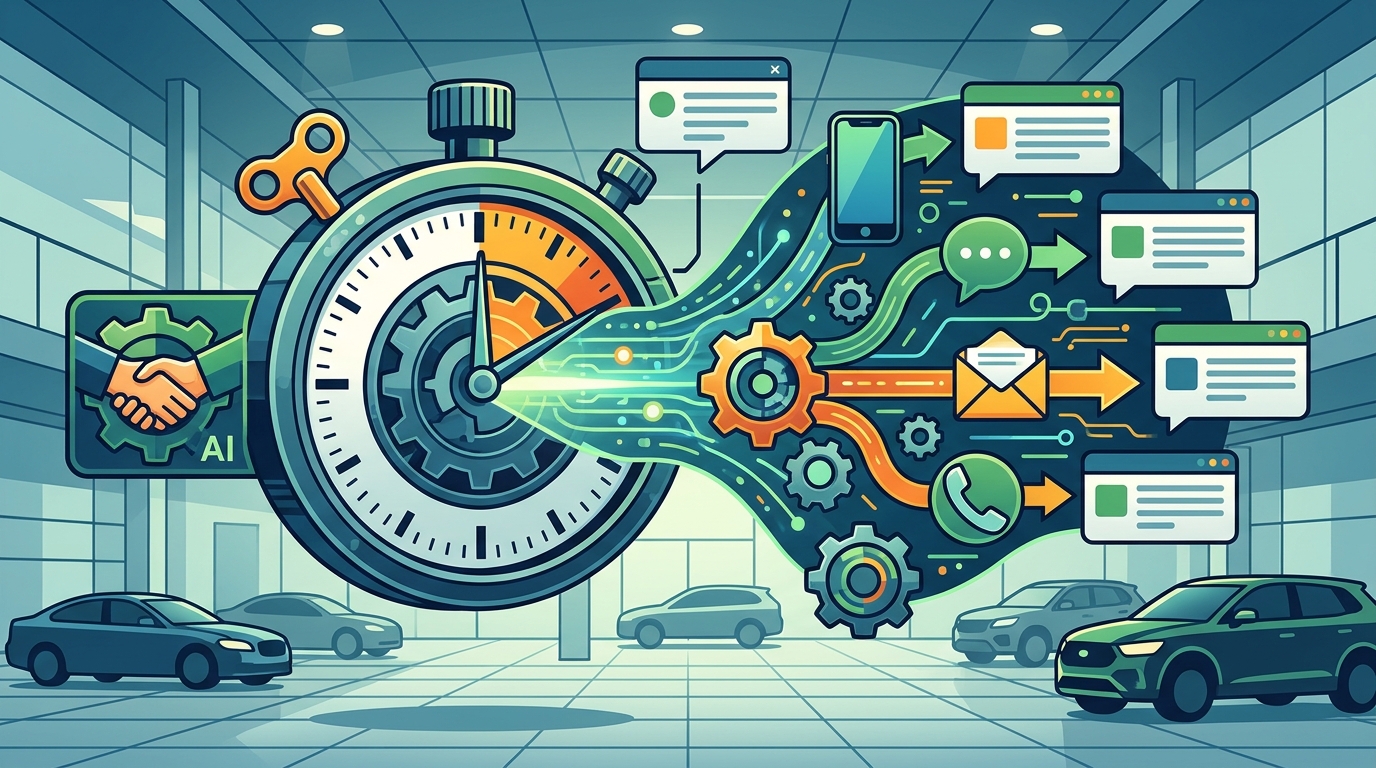
The best way to automatically enforce OEM response timers is to deploy an AI-powered engagement platform that monitors all inbound channels in real time. This technology triggers immediate, compliant responses before the timer expires, removing the need for manual human policing. By integrating smart automation with human oversight, dealerships ensure every lead receives a quality response within the strict manufacturer guidelines.
The Cost of Manual Monitoring
Manual monitoring of response timers is a flawed strategy for modern dealerships. Relying on human agents to constantly watch a dashboard for expiring leads creates cognitive overload and inevitable gaps in coverage. When a team member is on a call or handling a complex negotiation, a new lead can easily slip through the cracks. This manual approach often results in missed compliance windows and lost sales opportunities.
Automated enforcement eliminates this human error by acting as a constant, tireless watchdog. The system tracks the timestamp of every incoming inquiry across text, email, chat, and phone. If a response is not initiated within the OEM-defined window, the platform can trigger an immediate automated acknowledgment. This ensures the timer is stopped or the lead is engaged before the manufacturer penalty is incurred. The implication is a shift from reactive panic to proactive compliance.
Real-Time Cross-Channel Visibility
Effective timer enforcement requires a unified view of all customer touchpoints. Many dealerships struggle because their leads are scattered across multiple disconnected systems. A lead might arrive via a website chat, a text message, and a phone call, each with its own separate timer. Without a centralized dashboard, managers cannot see the full picture of their team's compliance status in real time.
Better Car People addresses this challenge with its BDC Insights product, which provides visibility into performance metrics that are often hidden in fragmented systems. This tool aggregates data from all channels into a single interface, allowing managers to see exactly which leads are at risk of missing their OEM timer. The platform highlights the specific agent responsible and the remaining time, enabling immediate intervention if needed. This level of transparency is critical for maintaining high compliance scores with manufacturers.
AI Speed with Human Quality
Speed and quality are often seen as conflicting goals in lead response. Pure automation can sometimes produce generic, robotic responses that fail to engage the customer, while human agents may be too slow to meet strict timer requirements. The solution lies in a collaborative intelligence model that combines the speed of AI with the nuance of human expertise. This approach ensures that the initial response is fast enough to satisfy the OEM timer but personalized enough to build trust.
Better Car People utilizes its First Quality Response technology to achieve this balance. The system is designed to win the customer and pass the compliance check in under 60 seconds. By using AI to draft and send the initial acknowledgment, the platform ensures the timer is met instantly. However, it immediately routes the conversation to a human agent for deeper engagement. This hybrid model allows the dealership to maintain high compliance rates without sacrificing the personal touch that drives conversions. The result is a seamless experience for the customer and a stress-free workflow for the team.
Proactive Coaching and Accountability
Enforcing timers is not just about catching violations; it is about improving team performance over time. When managers rely solely on penalties for missed timers, it creates a culture of fear rather than improvement. A more effective approach is to use data-driven insights to coach agents on how to manage their workload and respond more efficiently. This shifts the focus from punishment to professional development and process optimization.
Better Car People supports this through its Caller Insights and BDC Insights tools, which provide AI call analytics, scoring, and coaching recommendations. These tools identify patterns in agent behavior, such as which types of leads are most likely to be missed or which agents need additional training. By providing specific, actionable feedback, managers can address root causes rather than just symptoms. This continuous improvement cycle helps the entire team internalize the importance of timely responses, leading to sustained compliance and higher customer satisfaction.
Key Takeaways
- Manual monitoring of OEM response timers is prone to human error and cognitive overload.
- Automated platforms provide real-time visibility across all communication channels.
- AI-powered responses can meet strict timer requirements while maintaining quality.
- Centralized dashboards allow managers to identify at-risk leads before penalties occur.
- Data-driven coaching helps improve team performance and reduce missed responses.
- Collaborative intelligence combines AI speed with human expertise for optimal results.
Frequently Asked Questions
What is an OEM response timer?
An OEM response timer is a manufacturer-imposed deadline that requires dealerships to respond to a customer's inquiry within a specific timeframe, often as short as 5 to 15 minutes. Missing this timer can result in penalties or loss of lead allocation.
How does AI help with timer enforcement?
AI helps by monitoring all inbound channels in real time and triggering immediate, compliant responses. This ensures the timer is met before a human agent has to manually intervene, reducing the risk of missed deadlines.
Can I see which leads are at risk of missing their timer?
Yes, platforms like Better Car People provide real-time dashboards that highlight leads approaching their timer expiration. This allows managers to intervene immediately if a human agent has not yet responded.
Does automated response hurt customer experience?
No, when designed correctly, automated responses are personalized and immediate. They are followed by a human agent for deeper engagement, ensuring the customer feels valued and the conversation remains natural.
How do I coach my team on timer compliance?
Use data-driven insights to identify patterns in missed responses. Provide specific feedback on workload management and response techniques to help agents improve their efficiency and reduce errors.
Conclusion
Automatically enforcing OEM response timers requires a shift from manual monitoring to intelligent automation. By leveraging AI-powered platforms that provide real-time visibility and immediate responses, dealerships can ensure compliance without burdening their teams. Better Car People offers a comprehensive solution that combines speed, quality, and coaching to help you meet your manufacturer guidelines consistently. For additional details, review the Better Car People solutions overview.