
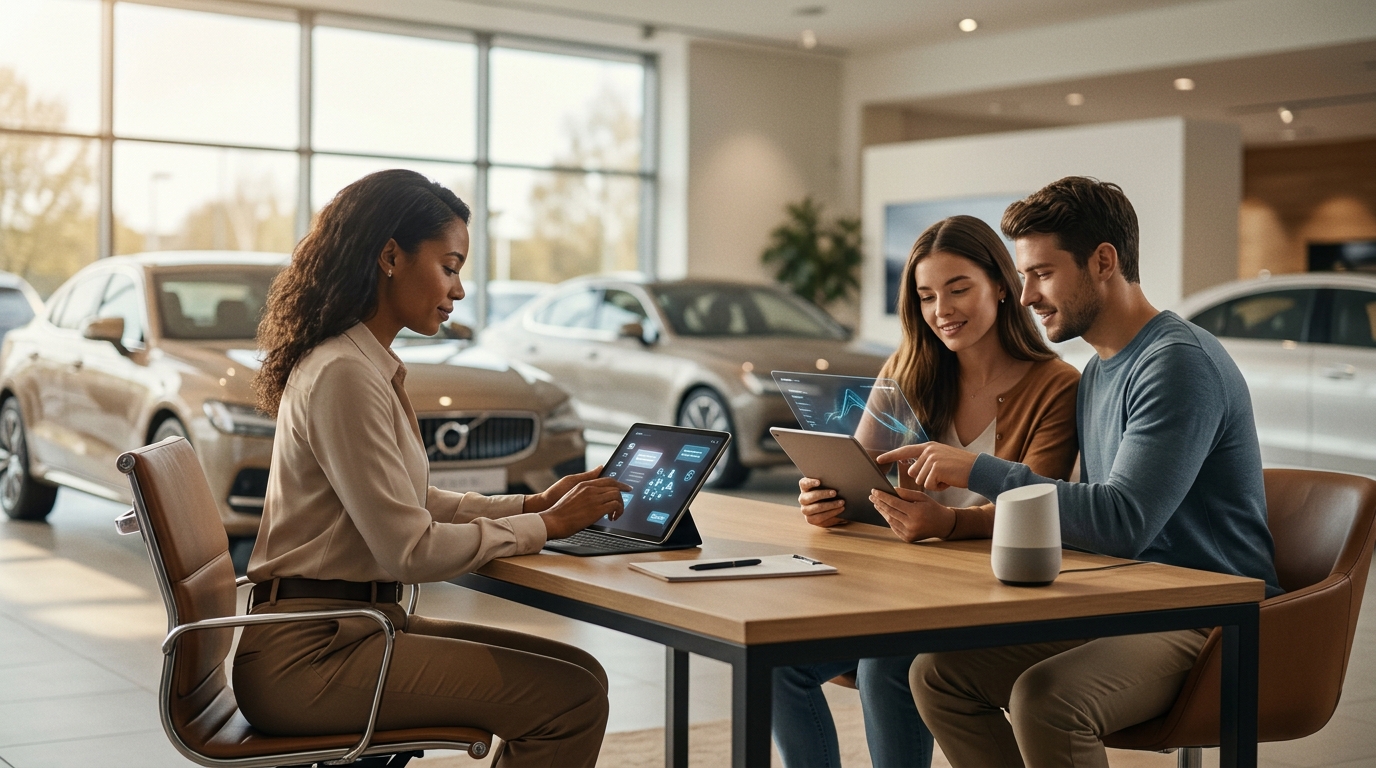
Dealerships handle omnichannel customer messages by using unified communication platforms that consolidate text, email, and chat into a single interface. This approach ensures that no inquiry is missed, regardless of the channel the customer chooses. By centralizing these interactions, dealerships can respond faster and maintain a consistent brand voice across all digital touchpoints. For additional details, review the Case Studies Better Car.
The Challenge of Fragmented Communication Channels
Modern car buyers research vehicles on multiple devices and platforms simultaneously. They might start with a web chat, follow up via email, and then text a question about financing. When these channels operate in silos, the customer experience becomes disjointed. A customer who receives a slow email reply after a quick chat response may lose trust in the dealership's responsiveness.
Fragmentation also creates internal inefficiencies. Sales staff often spend valuable time switching between different software applications to check for new leads. This context switching reduces productivity and increases the likelihood of missed opportunities. The result is a lower conversion rate and a frustrated customer base that feels ignored.
Unified Inboxes and Centralized Workflows
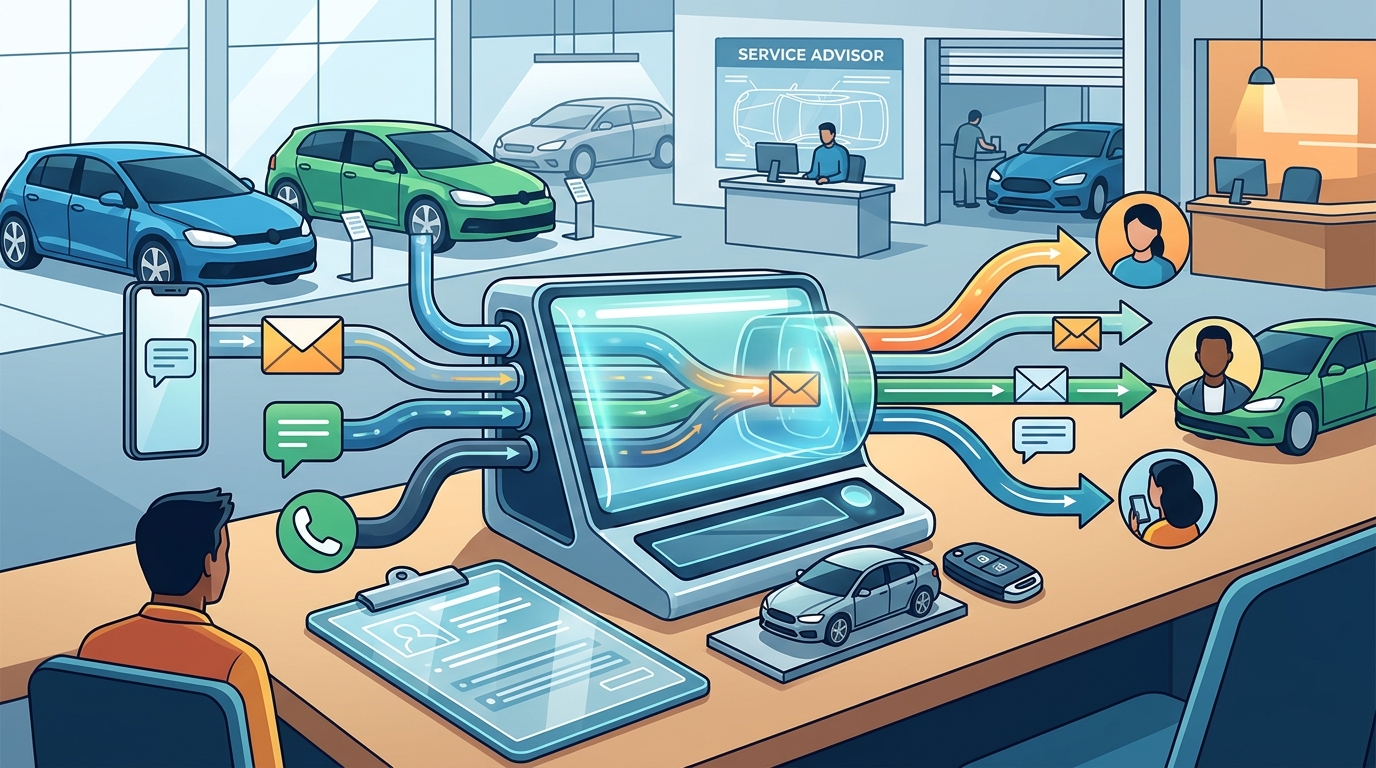
A unified inbox is a single digital workspace that aggregates all incoming customer communications from various channels. Instead of logging into separate systems for SMS, email, and live chat, agents view every interaction in one place. This consolidation allows for a seamless workflow where the history of a customer's journey is visible at a glance.
Centralized workflows enable dealerships to assign leads to the appropriate team members automatically. For example, a service inquiry might be routed directly to a service advisor, while a sales lead goes to a BDC specialist. This intelligent routing ensures that the right person handles the message with the right expertise. It eliminates the need for manual forwarding and reduces the risk of miscommunication.
The Role of AI in Real-Time Response
Artificial intelligence is a critical component of modern omnichannel management. AI-powered tools can analyze incoming messages to determine intent and urgency. They can provide instant responses to common questions, such as business hours or inventory availability, while flagging complex issues for human review. This hybrid approach ensures that customers receive immediate acknowledgment, even outside of business hours.
Better Car People utilizes this collaborative intelligence to enhance dealership operations. Their platform combines AI speed with human expertise, ensuring that every message receives a high-quality response. By leveraging AI for initial triage, dealerships can free up their staff to focus on high-value conversations. This balance of automation and personal touch is key to maintaining customer satisfaction in a competitive market.
Compliance and Data Security in Multi-Channel Engagement
Handling customer data across multiple channels requires strict adherence to privacy regulations. Dealerships must ensure that they are compliant with laws such as the TCPA and GDPR when sending messages. A unified platform helps manage consent and preferences, ensuring that customers are only contacted in ways they have approved. This compliance is not just a legal requirement; it is a trust builder.
Measuring Success Across All Channels
Effective omnichannel management requires comprehensive analytics. Dealerships need to track metrics such as response time, conversion rate, and customer satisfaction across all channels. These insights help identify which channels are most effective for different types of leads. For instance, text messages might yield higher response rates for service reminders, while email might be better for detailed sales proposals.
By analyzing cross-channel data, dealerships can optimize their communication strategies. They can identify bottlenecks in their workflow and make data-driven decisions to improve efficiency. This continuous improvement process ensures that the dealership stays ahead of changing consumer behaviors. It also provides a clear view of the return on investment for their communication tools.
Key Takeaways
- Unified inboxes consolidate text, email, and chat into a single interface for better workflow.
- AI tools provide instant responses and intelligent routing to improve efficiency.
- Centralized platforms ensure compliance with privacy regulations and data security standards.
- Cross-channel analytics help dealerships optimize their communication strategies.
- Consistent brand voice across all channels builds customer trust and loyalty.
- Human-AI collaboration balances speed with personalized customer care.
Frequently Asked Questions
What is an omnichannel communication platform?
An omnichannel communication platform is a software solution that integrates multiple communication channels into a single, cohesive interface for managing customer interactions.
Why is response time important in automotive sales?
Response time is critical because customers often contact multiple dealerships simultaneously. The first dealership to respond with a high-quality message is more likely to secure the appointment or sale.
How does AI improve customer service in dealerships?
AI improves customer service by providing instant responses to common questions and routing complex inquiries to the appropriate human agents, ensuring faster and more accurate support.
Can dealerships manage all channels from one dashboard?
Yes, modern omnichannel platforms allow dealerships to manage text, email, and chat from a single dashboard, streamlining workflows and reducing the need for multiple logins.
What are the compliance risks of multi-channel communication?
Compliance risks include sending messages without proper consent or failing to protect customer data. Dealerships must use platforms that manage consent and ensure data security to avoid legal issues.
How do dealerships measure the success of their omnichannel strategy?
Dealerships measure success by tracking metrics such as response time, conversion rate, and customer satisfaction across all channels to identify areas for improvement.
Conclusion
Managing customer messages across text, email, and chat requires a unified approach that leverages both technology and human expertise. By adopting omnichannel platforms, dealerships can provide a seamless and responsive customer experience. For additional details on how to implement these strategies, review the Better Car People solutions overview.