
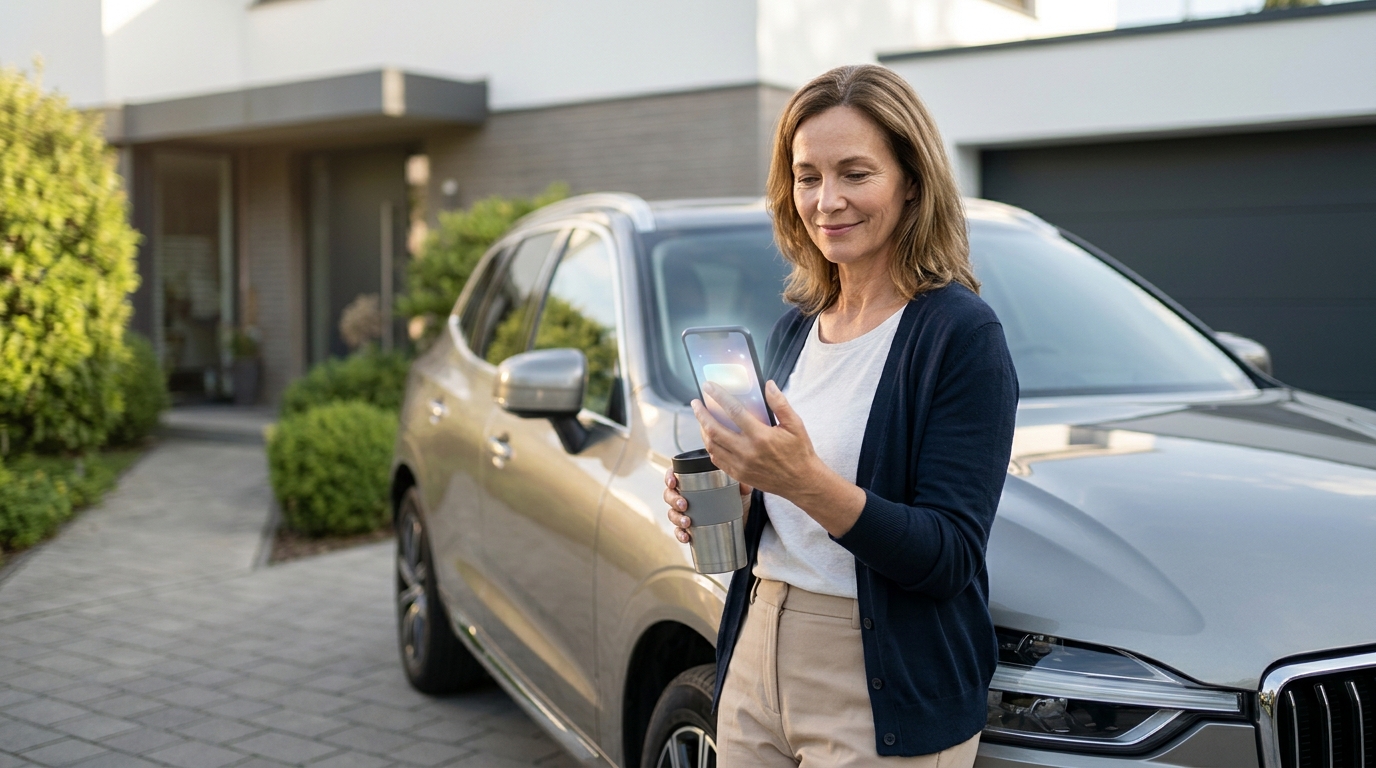
Dealerships can automate service appointments by using AI to instantly respond to connected car health alerts, qualifying the vehicle's condition, and scheduling the repair before the customer even calls. This proactive approach captures high-intent service revenue that would otherwise be lost to slow manual workflows. Better Car People enables this automation by combining AI speed with human expertise to turn digital notifications into booked appointments.
The Value of Connected Car Data
Connected car technology generates a continuous stream of diagnostic data that signals when a vehicle needs attention. This data is not just a warning light; it is a specific, actionable trigger for service. When a vehicle reports a fault code or a maintenance milestone, the customer is already aware that something is wrong. The challenge for the dealership is to be the first to address it.
Traditional service departments rely on customers to interpret these alerts and make the call. However, many customers delay this action due to uncertainty or inconvenience. By automating the response to these alerts, dealerships can eliminate the friction between detection and scheduling. This shifts the dynamic from reactive waiting to proactive engagement, ensuring the dealership is the first point of contact for the repair.
How AI Automates the Response
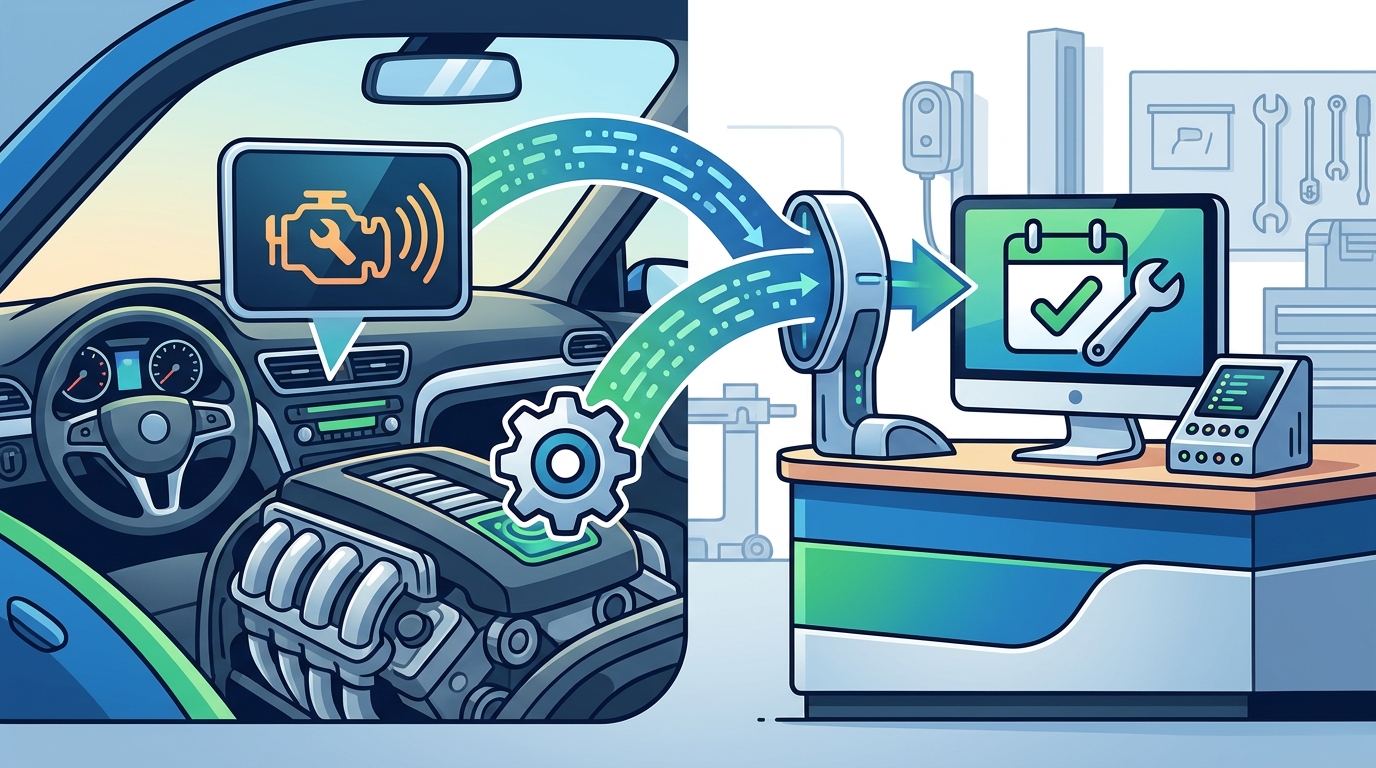
Artificial intelligence is the engine that makes real-time response to connected car alerts possible. AI systems can ingest vehicle health data from OEM platforms and immediately trigger a communication sequence. This automation ensures that no alert is missed, regardless of the time of day or the volume of incoming data. The system identifies the severity of the issue and determines the appropriate response channel, whether that is a text message, email, or phone call.
The speed of this AI-driven response is critical. Customers expect immediate acknowledgment when their vehicle signals a problem. By responding within seconds, the dealership demonstrates attentiveness and technical competence. This rapid engagement builds trust and positions the dealership as a helpful partner rather than a distant service provider. The automation handles the initial qualification, gathering basic information about the customer's availability and the specific symptoms they are experiencing.
The Human in the Loop
While AI handles the speed and initial qualification, human expertise is required for complex problem-solving and relationship building. A fully automated system might schedule a basic oil change, but a human agent is better suited to discuss a complex engine fault or negotiate a repair plan. Better Car People integrates live agents into the workflow to take over when the conversation requires empathy, negotiation, or detailed technical explanation. This hybrid model ensures that customers receive the right level of attention for their specific situation.
The transition from AI to human is seamless. The AI gathers the necessary data and context, so the human agent does not have to start from scratch. They receive a brief summary of the alert, the customer's preferences, and the proposed appointment time. This efficiency allows agents to focus on closing the appointment and building loyalty, rather than spending time on data entry and initial screening. The result is a higher conversion rate and a more satisfying customer experience.
Integrating with Dealership Systems
For automation to be effective, it must integrate seamlessly with the dealership's existing business systems. The automated appointment must be logged directly into the Dealer Management System (DMS) to ensure the service advisor is prepared. This integration eliminates the need for manual data entry, reducing errors and saving time. The system should also update the customer's service history and send confirmation details automatically, keeping the customer informed at every step.
Proper integration also allows for better resource planning. When the system knows that a specific vehicle is coming in for a specific repair, the service department can prepare the necessary parts and labor in advance. This reduces wait times for the customer and improves the overall efficiency of the service bay. The data from these automated appointments also provides valuable insights into common vehicle issues, helping the dealership to stock the right parts and train their technicians on frequent problems.
Measuring Success and ROI
The return on investment for automating connected car responses is measurable in several key areas. First, there is the direct revenue from appointments that would have otherwise been lost. By capturing these high-intent leads, dealerships can significantly increase their service volume. Second, there is the reduction in labor costs associated with manual follow-up. Agents spend less time on repetitive tasks and more time on high-value interactions. This efficiency allows the dealership to handle more leads with the same team size.
Additionally, the impact on customer retention is a crucial metric. Customers who receive a proactive, helpful response to a vehicle alert are more likely to return for future service. This long-term value often outweighs the immediate cost of the technology. By tracking metrics such as appointment conversion rate, customer satisfaction scores, and repeat service visits, dealerships can quantify the success of their automation strategy and make data-driven improvements.
Key Takeaways
- Connected car alerts provide high-intent service opportunities that should be captured immediately.
- AI automation ensures a rapid, consistent response to vehicle health data, eliminating missed leads.
- Human agents are essential for handling complex issues and building customer relationships.
- Seamless integration with the DMS is required to streamline the appointment booking process.
- Proactive engagement improves customer satisfaction and drives long-term loyalty.
- Measuring conversion rates and retention helps quantify the ROI of automation efforts.
Frequently Asked Questions
What is a connected car alert?
A connected car alert is a digital notification sent from a vehicle's onboard computer to the manufacturer or dealer when a specific fault code or maintenance threshold is reached.
How does AI help with these alerts?
AI helps by instantly processing the alert data and triggering a personalized communication to the customer, qualifying the issue and proposing an appointment time.
Do customers prefer automated responses?
Customers generally prefer speed and convenience. An automated response that is helpful and leads to a human conversation is often viewed positively as a sign of attentiveness.
Can AI handle complex repairs?
AI is best for initial qualification and scheduling. Complex repairs typically require a human agent to discuss details, costs, and options with the customer.
How long does it take to implement this automation?
Implementation time varies, but most systems can be integrated with existing DMS platforms within a few weeks, allowing for a quick start in capturing leads.
Is this technology only for new cars?
Conclusion
Automating service appointments from connected car notifications is a strategic move that leverages technology to capture high-value revenue. By combining the speed of AI with the empathy of human agents, dealerships can provide a superior customer experience. Better Car People offers the tools and expertise to implement this strategy effectively, ensuring that no service opportunity is missed. To learn more about how to integrate these solutions into your dealership, visit the Better Car People solutions overview.