
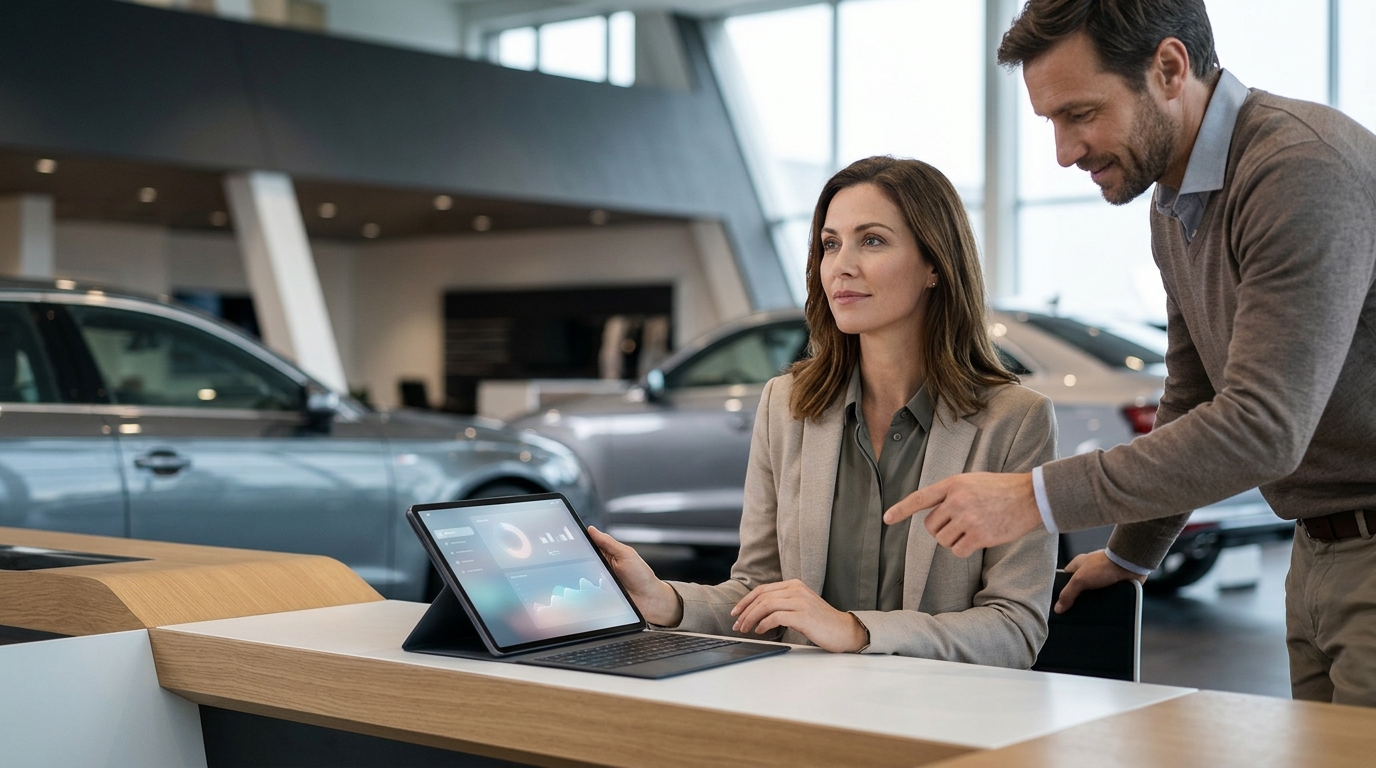
Collaborative intelligence is a dealership engagement model where AI handles high-volume, repetitive tasks while skilled humans manage complex, high-value interactions. This approach ensures customers receive immediate, accurate responses across all channels. Better Car People designs this ecosystem to maximize conversion rates and customer lifetime value. By blending speed with empathy, dealerships can outperform competitors who rely on either technology or people alone.
The Definition of Collaborative Intelligence
Collaborative intelligence is the strategic integration of artificial intelligence and human expertise to optimize customer engagement. It is not about replacing staff with bots, but rather about augmenting human capabilities with machine speed. This model allows a dealership to scale its outreach without sacrificing the personal touch that drives loyalty. The core principle is that each entity performs the tasks it is best suited for.
Why Pure Automation Fails
Automated systems often struggle with nuance, emotional context, and complex problem-solving. When a customer expresses frustration or asks a highly specific question, a rigid script can feel dismissive. This friction leads to lost opportunities and negative brand perception. Humans excel at reading these social cues and adapting their tone in real-time.
The Role of AI in the Workflow
AI excels at processing data, maintaining consistency, and operating around the clock. It can instantly qualify leads, answer frequently asked questions, and schedule appointments. By handling these routine interactions, AI frees up human agents to focus on closing deals and building relationships. This division of labor creates a seamless experience for the customer.
Channel-Specific Execution Strategies
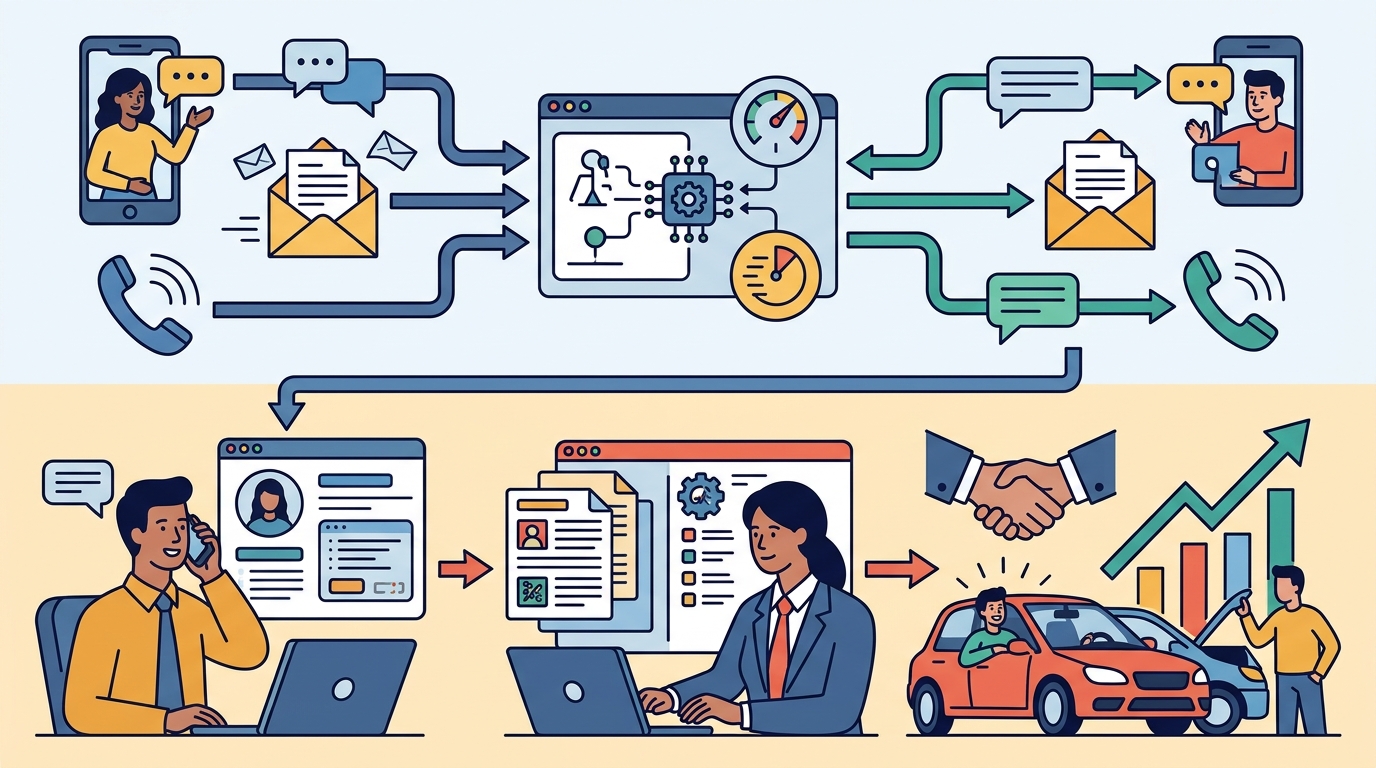
Effective collaborative intelligence requires tailored strategies for each communication channel. Text messaging demands brevity and speed, making it ideal for AI-driven initial contact. Phone calls, however, require the empathy and problem-solving skills of a live agent. Better Car People structures its engagement engine to route interactions based on complexity and customer preference. This ensures the right resource is deployed at the right moment.
Text and Chat Dynamics
Customers expect near-instant responses on digital channels. AI chatbots can capture leads and provide immediate answers to standard inquiries. When a conversation becomes complex, the system can seamlessly hand off to a human agent. This transition must be smooth to avoid frustrating the customer with repetitive questions. The goal is to maintain momentum while ensuring quality.
Phone and Voice Interactions
Phone calls are often where high-value decisions are made. While AI can handle initial screening, the actual negotiation and relationship building require human skill. Live agents can detect hesitation, build trust, and overcome objections in ways that text cannot. This human element is critical for converting interested leads into loyal customers. The combination of AI screening and human closing maximizes efficiency.
Operational Benefits for Dealership Teams
Implementing a collaborative model significantly reduces the cognitive load on dealership staff. Agents are no longer bogged down by repetitive data entry or basic inquiries. This allows them to focus on high-impact activities that drive revenue. The result is a more engaged and productive workforce. Teams report higher job satisfaction when they are empowered with the right tools.
Reducing Response Times
Speed is a critical factor in lead conversion. AI can respond to inquiries within seconds, regardless of the time of day. This immediate acknowledgment keeps the customer engaged and prevents them from contacting a competitor. Human agents then step in to deepen the conversation. This rapid response cycle is a key differentiator in the modern automotive market.
Enhancing Data Utilization
AI systems can analyze vast amounts of customer data to identify patterns and preferences. This data can inform human agents on how to best approach specific customers. For example, an agent might know that a customer prefers email over phone calls. This level of personalization enhances the customer experience and increases the likelihood of conversion. The data-driven insights provided by AI make human interactions more effective.
Measuring Success in a Hybrid Model
Success in collaborative intelligence is measured by both efficiency and effectiveness metrics. Dealerships should track response times, conversion rates, and customer satisfaction scores. These metrics provide a clear picture of how well the human-AI partnership is performing. Better Car People provides visibility into these key performance indicators. Understanding these numbers allows dealerships to continuously refine their approach.
Key Performance Indicators
Response time is a primary metric, as it directly impacts lead conversion. Conversion rate measures the percentage of leads that become customers. Customer satisfaction scores reflect the quality of the interaction. By monitoring these KPIs, dealerships can identify areas for improvement. The goal is to balance speed with quality to achieve optimal results.
Continuous Improvement Cycles
The collaborative model is not static; it evolves with customer behavior and technology. Regular reviews of AI performance and human feedback are essential. This iterative process ensures that the system remains aligned with business goals. Dealerships that embrace continuous improvement will stay ahead of the competition. The partnership between humans and AI is a dynamic asset that grows over time.
Key Takeaways
- Collaborative intelligence combines AI speed with human empathy for optimal engagement.
- AI handles high-volume, repetitive tasks, freeing humans for complex interactions.
- Channel-specific strategies ensure the right resource is used for each communication type.
- Reduced cognitive load on staff leads to higher productivity and job satisfaction.
- Data-driven insights from AI enhance the personalization of human interactions.
- Measuring response times, conversion rates, and satisfaction scores is critical for success.
- Continuous improvement cycles keep the human-AI partnership aligned with business goals.
Frequently Asked Questions
Does AI replace human agents in dealership engagement?
No, AI augments human agents by handling routine tasks. Humans remain essential for complex, high-value interactions that require empathy and problem-solving.
How quickly can AI respond to customer inquiries?
AI can respond to inquiries within seconds, ensuring immediate acknowledgment and keeping customers engaged regardless of the time of day.
What are the main benefits of collaborative intelligence?
The main benefits include faster response times, higher conversion rates, improved customer satisfaction, and increased staff productivity.
How does AI assist with data utilization?
AI analyzes customer data to identify patterns and preferences, providing human agents with insights to personalize their interactions.
What metrics should dealerships track in a hybrid model?
Dealerships should track response times, conversion rates, and customer satisfaction scores to measure the effectiveness of the human-AI partnership.
Is the collaborative model static or dynamic?
The model is dynamic and evolves with customer behavior and technology, requiring regular reviews and continuous improvement.
How does Better Car People support this model?
Better Car People provides a comprehensive engagement engine that integrates AI and human expertise across all channels to drive dealership growth.
Conclusion
Collaborative intelligence is the future of dealership customer engagement. By combining the speed of AI with the skill of live agents, dealerships can create a superior customer experience. This model ensures that no lead is missed and every interaction is optimized for conversion. Better Car People is dedicated to helping dealerships implement this approach effectively. For additional details, review the Better Car People solutions overview. Learn more: Case Studies Better Car.