

AI-Enabled Communication Tools vs Traditional Methods in Automotive Sales
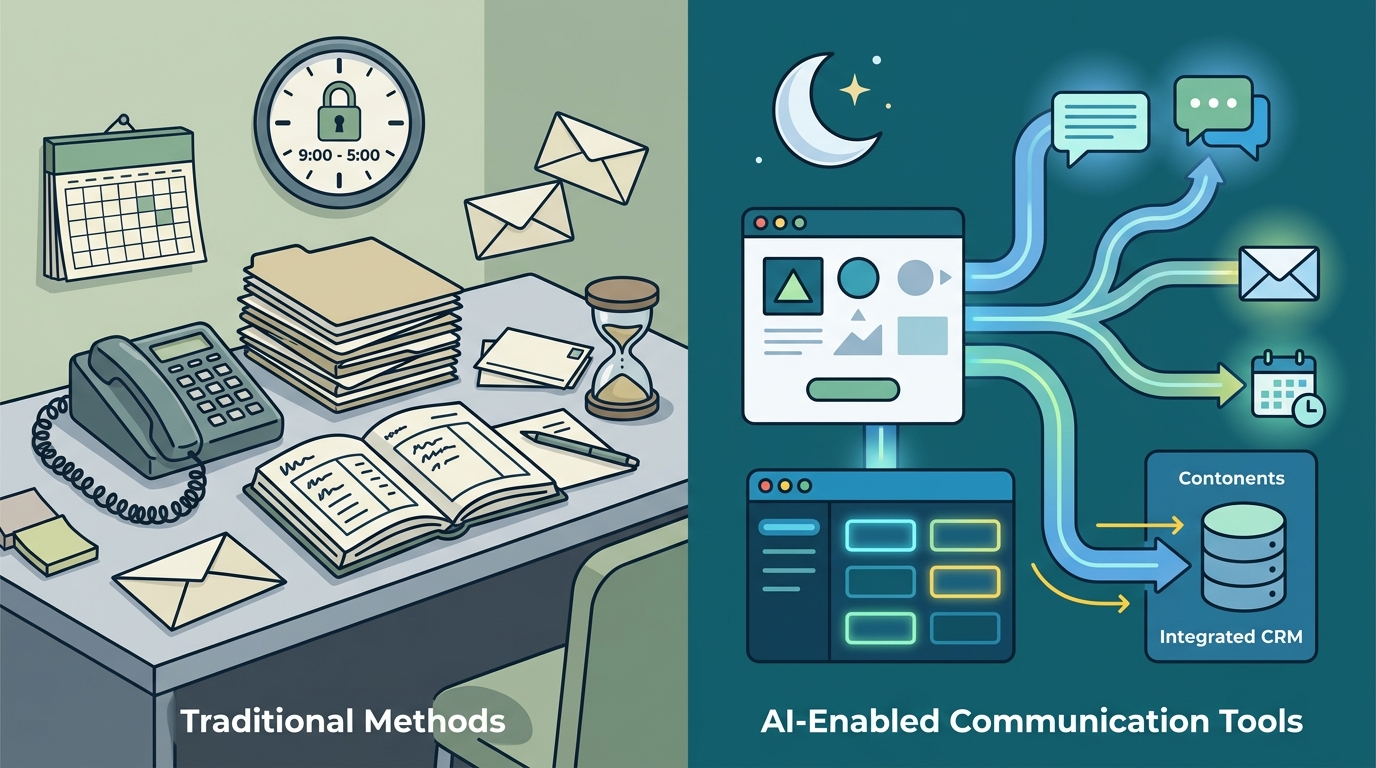
AI-enabled communication tools differentiate from traditional methods by providing 24/7 omnichannel availability, instant personalized responses, and automated scheduling that traditional phone and email systems cannot match. This guide covers how these technologies transform lead qualification, CRM integration, and customer engagement for modern dealerships. For additional details, review the Customer Support Better Car.
7 Omnichannel Availability
Traditional dealership communication relies on fixed business hours and limited channels, typically phone and email. This creates significant gaps in customer engagement, especially for after-hours inquiries. AI-enabled tools provide continuous availability across multiple digital touchpoints without requiring additional headcount. For additional details, review the Service BDC Better Car.
Modern consumers expect immediate responses regardless of the time of day. A customer browsing inventory at 11 PM should receive the same quality of service as one visiting the showroom at 10 AM. AI systems handle these interactions seamlessly, ensuring no lead is lost due to timing constraints. This consistency builds trust and demonstrates that the dealership values the customer's time. For additional details, review the Service to Sales Better.
Channel Coverage
By covering all major channels, dealerships meet customers where they are. This omnichannel approach ensures that whether a customer prefers typing or talking, they receive a consistent and professional experience. The AI system maintains context across channels, so a conversation started via chat can continue via text without the customer repeating information. For additional details, review the Better Car People AI.
Personalized Lead Qualification
Lead qualification is the process of determining a prospect's readiness to buy and their specific needs. Traditional methods often rely on generic scripts or manual data entry, which can feel impersonal and inefficient. AI-enabled tools use natural language processing to understand individual customer intent and tailor responses accordingly. For additional details, review the Solutions Overview Better Car.
Personalization is a key differentiator in automotive sales. Customers appreciate when a sales representative understands their specific budget, timeline, and vehicle preferences. AI systems analyze conversation data to identify these factors and adjust the dialogue in real-time. This creates a more engaging experience that feels human and attentive, even when powered by automation.
Intent Recognition
AI algorithms detect buying signals such as price sensitivity, trade-in value, and financing needs. By recognizing these signals early, the system can prioritize leads and route them to the appropriate sales team member. This ensures that high-intent customers receive immediate attention from qualified agents. The result is a more efficient sales process with higher conversion rates.
Traditional systems often treat all leads equally, leading to wasted effort on low-intent prospects. AI enables dynamic prioritization based on real-time engagement metrics. This allows dealerships to focus their resources on customers most likely to purchase, maximizing return on investment for marketing spend. according to Exploring the Shift
Automated Appointment Scheduling
Scheduling test drives and service appointments is a critical step in the automotive sales funnel. Traditional methods involve back-and-forth phone calls or email exchanges, which can lead to missed opportunities and customer frustration. AI-enabled tools automate this process by offering real-time availability and instant confirmation.
Friction in the scheduling process is a major cause of lead drop-off. When customers have to wait for a callback to book an appointment, they often lose interest. AI systems eliminate this friction by providing immediate access to available time slots. Customers can book a test drive or service appointment in seconds, significantly improving the conversion rate from inquiry to visit.
Real-Time Inventory Sync
Effective scheduling requires accurate inventory and staff availability data. AI tools integrate with dealership management systems to provide real-time information on vehicle stock and technician schedules. This ensures that customers are only offered appointments that are actually available. Accurate scheduling reduces no-show rates and improves overall operational efficiency.
Traditional systems often rely on static calendars that do not reflect real-time changes. This leads to double-booking and customer dissatisfaction. AI-driven scheduling dynamically updates availability as appointments are made or canceled, ensuring a smooth experience for both customers and staff.
CRM Integration
Customer Relationship Management (CRM) systems are the backbone of dealership sales operations. Traditional communication methods often exist in silos, requiring manual data entry to update CRM records. AI-enabled tools integrate directly with CRM platforms, automatically logging all interactions and updating customer profiles in real-time.
Seamless CRM integration ensures that sales teams have a complete view of each customer's journey. Every text, chat, and call is recorded and associated with the correct lead record. This eliminates data entry errors and provides valuable insights into customer behavior. Sales representatives can access this history instantly, allowing them to personalize their approach and follow up effectively.
Data Accuracy and Visibility
Manual data entry is prone to errors and inconsistencies. AI automation ensures that all customer interactions are captured accurately and consistently. This high-quality data enables better reporting and analytics. Dealerships can track key performance indicators such as response time, conversion rate, and customer satisfaction with greater precision.
Traditional methods often result in fragmented data across different channels. AI integration unifies this data into a single source of truth. This holistic view allows dealerships to identify trends, optimize processes, and improve overall performance. It also supports compliance requirements by maintaining a complete audit trail of all customer communications.
Response Speed
Response speed is a critical factor in lead conversion. Studies consistently show that leads contacted within five minutes are significantly more likely to convert than those contacted later. Traditional methods, which rely on human agents during business hours, often fail to meet this benchmark. AI-enabled tools provide instant responses, ensuring that every lead is engaged immediately.
Speed is not just about being fast; it is about being available. Customers expect immediate acknowledgment of their inquiries. AI systems provide this acknowledgment instantly, regardless of the time of day or day of the week. This immediate response sets a positive tone for the interaction and demonstrates the dealership's commitment to customer service. It also helps to capture the customer's attention before they move on to a competitor.
Impact on Conversion Rates
Fast response times directly impact conversion rates. When customers receive immediate answers to their questions, they are more likely to proceed with the purchase process. AI tools enable dealerships to maintain high response speeds consistently, even during peak periods. This consistency is difficult to achieve with traditional staffing models, which are limited by human capacity and working hours.
Traditional methods often result in delayed responses, especially for after-hours inquiries. These delays can lead to lost opportunities and negative customer experiences. AI automation ensures that no lead is left waiting, maximizing the potential for conversion and improving overall customer satisfaction.
Multi-Language NLP
Natural Language Processing (NLP) is the technology that allows AI systems to understand and generate human language. Multi-language NLP enables AI tools to communicate with customers in their preferred language, breaking down barriers that traditional methods cannot overcome. This is particularly important in diverse markets where customers may not be fluent in the primary language of the dealership.
Language barriers can prevent potential customers from engaging with a dealership. Traditional methods require hiring bilingual staff, which can be costly and limited in scope. AI-enabled tools with multi-language NLP capabilities can handle conversations in multiple languages seamlessly. This expands the dealership's reach and ensures that all potential customers can communicate effectively.
Global and Local Relevance
Traditional methods often lack this flexibility, leading to missed opportunities with non-English speaking customers. AI automation ensures that language is never a barrier to communication. This inclusivity enhances the customer experience and demonstrates the dealership's commitment to serving all members of the community.
Key Takeaways
- AI-enabled tools provide 24/7 omnichannel availability, ensuring no lead is lost due to timing constraints.
- Automated appointment scheduling eliminates friction by offering real-time availability and instant confirmation.
- Seamless CRM integration ensures accurate data logging and provides sales teams with a complete customer view.
- Instant response speed significantly improves conversion rates by engaging leads immediately.
- Multi-language NLP breaks down language barriers, expanding the dealership's reach to diverse customer bases.
- AI automation reduces manual data entry errors and improves operational efficiency.
- Traditional methods are limited by business hours, manual processes, and language constraints.
Frequently Asked Questions
How does AI improve lead qualification in automotive sales?
AI uses natural language processing to analyze customer conversations and identify buying signals such as budget, timeline, and vehicle preferences. This allows for personalized responses and dynamic lead prioritization, ensuring that high-intent customers receive immediate attention from qualified sales agents.
Can AI tools handle after-hours inquiries effectively?
Yes, AI-enabled communication tools provide 24/7 availability across multiple channels. They can handle after-hours inquiries by providing instant responses, answering common questions, and scheduling appointments, ensuring that no lead is lost due to timing constraints.
What is the impact of response speed on conversion rates?
Fast response times significantly improve conversion rates. Leads contacted within five minutes are more likely to convert than those contacted later. AI tools provide instant responses, ensuring that every lead is engaged immediately, which sets a positive tone and captures customer attention before they move on to a competitor.
How does AI integrate with dealership CRM systems?
AI tools integrate directly with CRM platforms, automatically logging all interactions and updating customer profiles in real-time. This eliminates manual data entry errors and provides sales teams with a complete view of each customer's journey, enabling more personalized and effective follow-ups.
Can AI systems communicate in multiple languages?
Yes, AI-enabled tools with multi-language NLP capabilities can communicate with customers in their preferred language. This breaks down language barriers and expands the dealership's reach to diverse customer bases, ensuring that all potential customers can communicate effectively.
What are the benefits of automated appointment scheduling?
Automated appointment scheduling eliminates friction by offering real-time availability and instant confirmation. This reduces no-show rates and improves overall operational efficiency. Customers can book test drives or service appointments in seconds, significantly improving the conversion rate from inquiry to visit.