
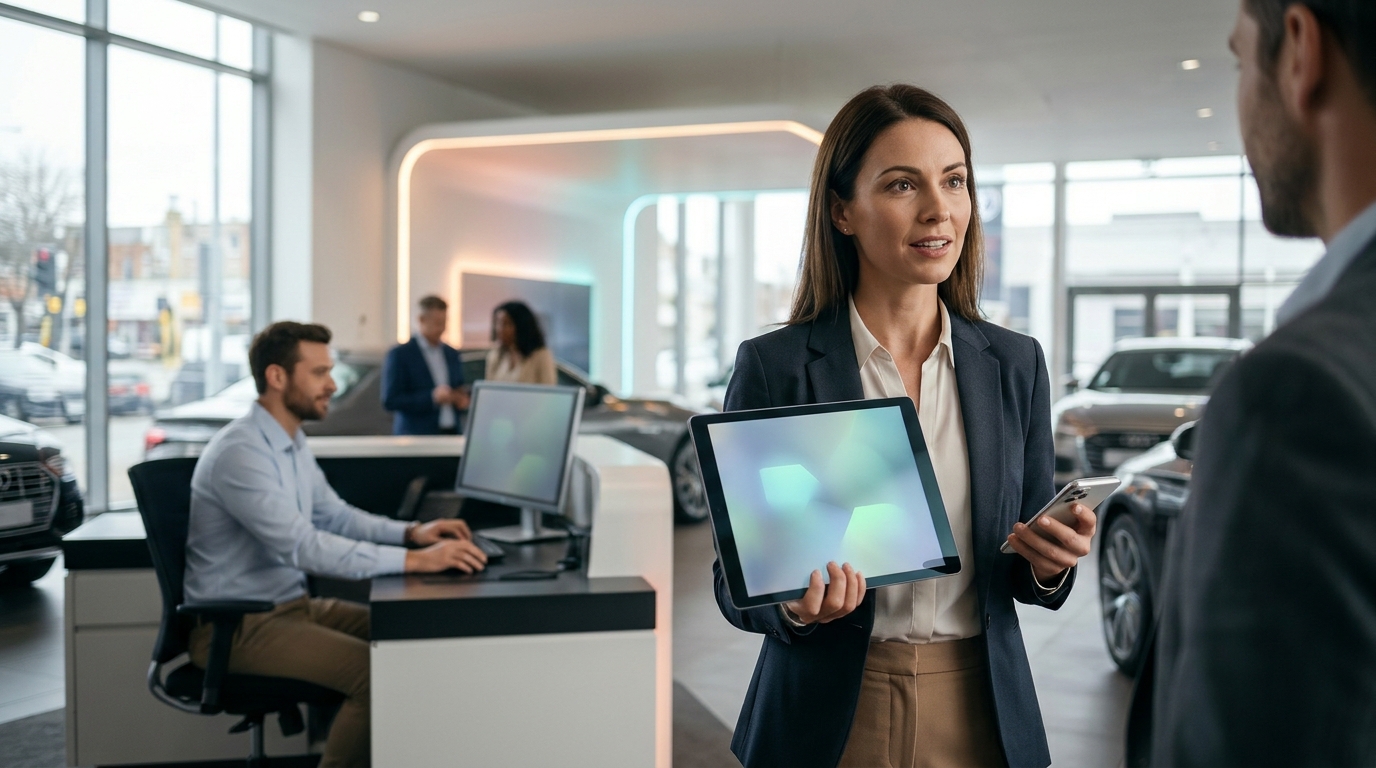
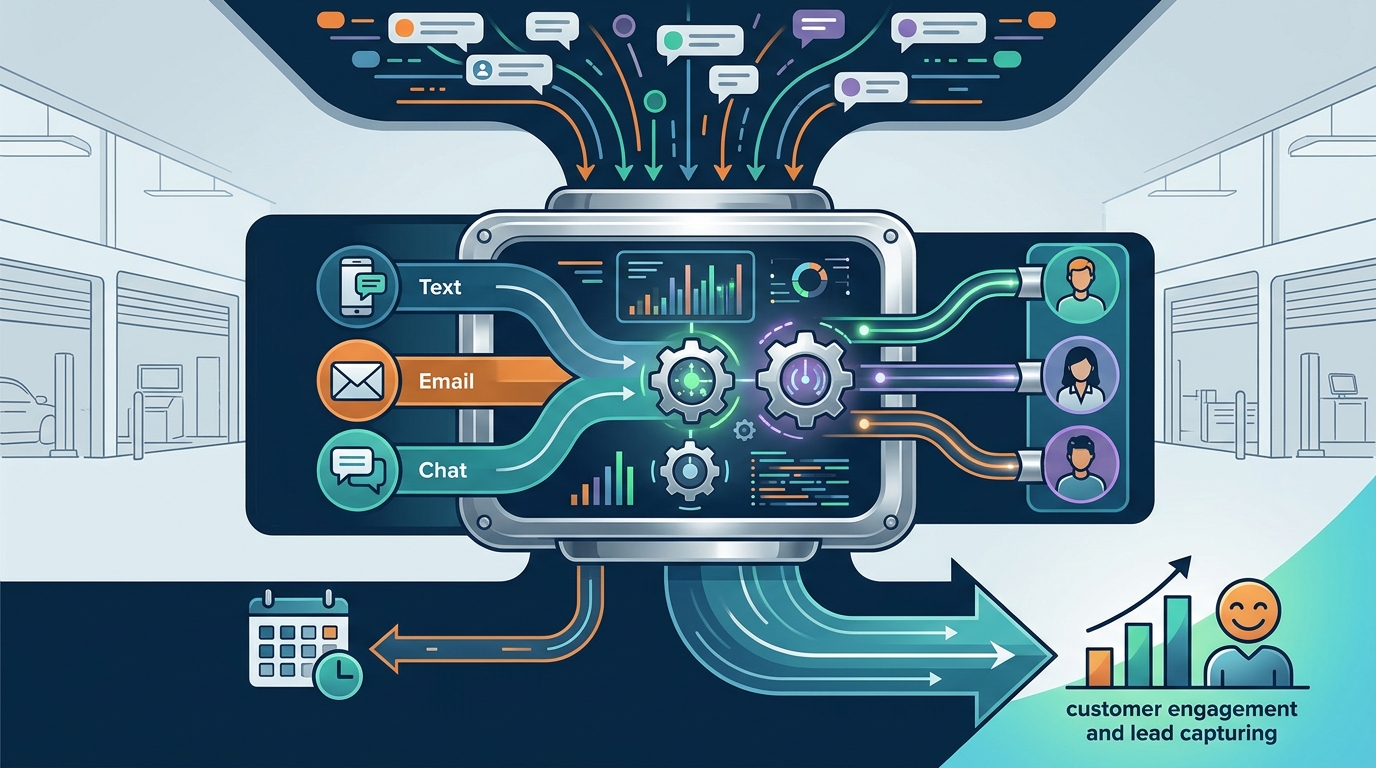
Dealerships respond instantly across text, email, and chat by deploying AI-enabled agents that handle routine inquiries while routing complex issues to human specialists. This collaborative approach ensures no lead is missed, regardless of the channel or time of day. By automating the first response, dealerships maintain high engagement rates and prevent customer churn during critical decision windows. For additional details, review the Customer Support Better Car.
The Speed Requirement in Modern Automotive Sales
Consumer expectations for communication have shifted dramatically in the automotive sector. Speed to lead is the single most critical factor in converting an inquiry into a sale. A speed to lead metric is the time elapsed between a customer submitting an inquiry and the dealership's first substantive response. When this interval exceeds five minutes, the likelihood of conversion drops significantly. Customers today compare multiple dealerships simultaneously and expect immediate acknowledgment.
Traditional phone-based models often fail to meet this standard. Sales teams cannot answer every call, text, and email in real time. Missed calls and delayed emails signal disorganization and lack of interest. This friction causes potential buyers to move on to competitors who respond faster. The modern dealership must operate with a 24/7 communication infrastructure to remain competitive.
Instant response is not just about speed; it is about consistency. A customer who receives a quick text but a slow email feels inconsistent service. Unified communication platforms ensure that the response quality remains high across all channels. This consistency builds trust and positions the dealership as a reliable partner in the buying process.
AI and Human Collaboration for Continuous Coverage
Artificial intelligence provides the speed necessary for instant response, while human expertise provides the nuance required for closing deals. Collaborative intelligence is a framework where AI handles high-volume, routine tasks and humans manage complex, high-value interactions. This division of labor ensures that customers receive immediate attention without sacrificing the personal touch that drives loyalty.
AI agents can process hundreds of inquiries simultaneously. They can answer questions about inventory, financing, and service appointments with perfect accuracy. However, they lack the emotional intelligence to negotiate or handle objections. Human agents step in when the conversation requires empathy, negotiation, or complex problem-solving. This handoff must be seamless to avoid confusing the customer.
Better Car People implements this collaborative model to ensure dealerships never fall behind. Their platform connects AI speed with human skill, creating a continuous engagement loop. This approach allows dealerships to scale their communication efforts without proportionally increasing headcount. The result is a more efficient operation that maximizes lead conversion rates.
Channel-Specific Strategies for Text, Email, and Chat
Dealerships must tailor their content to each channel. A long, detailed email is inappropriate for a text message. Conversely, a brief text is insufficient for explaining a complex loan structure. AI-enabled tools can automatically adapt the format and tone of the message based on the channel. This ensures that the customer receives the right information in the right format at the right time.
Integration is key to managing these channels effectively. A unified inbox allows agents to view all customer interactions in a single interface. This eliminates the need to switch between multiple applications, reducing the chance of missed messages. It also provides a complete history of the customer's journey, enabling more personalized follow-ups.
Maintaining Compliance and Quality in Automated Responses
Automated communication introduces compliance risks that must be carefully managed. The Telephone Consumer Protection Act (TCPA) and other regulations govern how dealerships can contact consumers. AI systems must be programmed to respect opt-out requests and send messages only during permitted hours. Non-compliance can result in significant fines and damage to the dealership's reputation.
Quality assurance is equally important. AI responses must be accurate and professional. Errors in pricing, availability, or policy can erode customer trust. Dealerships should implement monitoring tools that review AI interactions for quality and compliance. These tools can flag potential issues for human review before they escalate. This proactive approach ensures that automated responses maintain the high standards expected by customers.
Measuring Success: Key Metrics for Multichannel Response
Success in multichannel response is measured by specific, actionable metrics. Response time is the most obvious indicator, but it is not the only one. Conversion rate tracks how many inquiries result in appointments or sales. Engagement rate measures how actively customers interact with the dealership's messages. These metrics provide a clear picture of the effectiveness of the communication strategy.
Dealerships should track these metrics by channel and by agent. This granular view helps identify areas for improvement. For example, if text response times are fast but conversion rates are low, the content of the texts may need adjustment. If email engagement is low, the subject lines or send times may be suboptimal. Data-driven optimization allows dealerships to continuously refine their approach.
Regular reporting is essential for maintaining momentum. Dealerships should review their communication metrics weekly to identify trends and address issues promptly. This ongoing analysis ensures that the multichannel strategy remains aligned with business goals. It also provides a basis for making informed decisions about resource allocation and technology investment.
Key Takeaways
- Speed to lead is the most critical factor in converting automotive inquiries into sales.
- Collaborative intelligence combines AI speed with human expertise for optimal results.
- Each communication channel requires a tailored strategy to maximize engagement.
- Compliance and quality assurance are essential for automated communication systems.
- Tracking specific metrics by channel and agent enables continuous optimization.
- Unified communication platforms prevent missed messages and ensure consistency.
- Dealerships must operate with a 24/7 communication infrastructure to remain competitive.
Frequently Asked Questions
How fast should a dealership respond to a customer inquiry?
Dealerships should aim to respond within five minutes. This timeframe maximizes the likelihood of conversion and aligns with modern consumer expectations. Instant response is critical for maintaining a competitive edge in the automotive market.
Can AI handle all customer interactions without human intervention?
No, AI is best suited for routine, high-volume tasks. Human intervention is required for complex negotiations, emotional support, and high-value decisions. A collaborative approach ensures that customers receive the right level of attention for each interaction.
What are the main compliance risks associated with automated messaging?
How can dealerships measure the effectiveness of their multichannel strategy?
Dealerships should track metrics such as response time, conversion rate, and engagement rate. These metrics should be analyzed by channel and by agent to identify areas for improvement. Regular reporting ensures that the strategy remains aligned with business goals.
Is it necessary to use a unified communication platform?
How does Better Car People support dealerships in multichannel response?
Better Car People provides a collaborative intelligence platform that combines AI speed with human expertise. Their solutions ensure that dealerships can respond instantly across all channels while maintaining compliance and quality. This approach helps dealerships maximize lead conversion and customer loyalty.
Conclusion
Responding instantly across text, email, and chat is no longer optional for automotive dealerships. It is a fundamental requirement for staying competitive in a digital-first market. By leveraging collaborative intelligence, dealerships can achieve the speed and consistency that modern customers expect. This approach ensures that no lead is missed and that every interaction contributes to long-term loyalty.
For additional details on how to implement these strategies, review the Better Car People solutions overview. Their platform is designed to help dealerships grow by combining the speed of AI with the skill of live agents, ensuring that customers get the right response, quickly, every time.