

Is PCI DSS Compliance Necessary for Dealership Customer Data Platforms?
Yes, PCI DSS compliance is necessary for any dealership customer data platform that stores, processes, or transmits payment card data. Dealerships handle sensitive financial information daily, making strict adherence to the Payment Card Industry Data Security Standard (PCI DSS) a legal and operational requirement. Better Car People integrates secure communication channels that help dealerships maintain compliance while engaging customers across text, chat, and email.
Defining PCI DSS in the Automotive Context
PCI DSS is a set of security standards designed to ensure that all companies that accept, process, store, or transmit credit card information maintain a secure environment. For automotive dealerships, this standard applies to any digital platform that touches payment data, including customer relationship management (CRM) systems and business development center (BDC) tools. The standard is not optional for entities that handle cardholder data, as non-compliance can result in significant fines and the loss of the ability to process credit card payments.
The scope of PCI DSS extends beyond the physical point of sale. It covers the entire lifecycle of customer data, from the initial inquiry to the final transaction. Dealerships must ensure that their vendors, such as BCP Chat providers, adhere to these standards to protect both the business and the consumer. Understanding the scope is the first step in building a secure digital infrastructure.
Legal and Financial Obligations for Dealers
Dealerships face strict legal obligations to protect customer data, and PCI DSS serves as the baseline for that protection. Financial institutions that issue credit cards require their merchant partners to comply with the standard. If a dealership fails to meet these requirements, they risk being charged higher processing fees or having their merchant account terminated. This financial risk makes compliance a critical component of dealership profitability and operational stability.
In addition to financial penalties, non-compliance can lead to legal liability in the event of a data breach. Customers expect their financial information to be protected, and a breach can result in class-action lawsuits and reputational damage. By prioritizing PCI DSS compliance, dealerships demonstrate a commitment to customer trust and security. This commitment is essential for long-term business success in a competitive market.
Vendor Responsibility and Third-Party Risk
Third-party risk is a significant concern for dealerships, as a breach at a vendor can impact the dealership’s compliance status. Dealerships should require their vendors to provide proof of PCI DSS compliance, such as a report on the effectiveness of controls (ROC). This due diligence helps mitigate risk and ensures that the entire data ecosystem is secure. Partnering with established providers like Better Car People can simplify this process by ensuring that all communication channels are built with security in mind.
Operational Implications of Compliance
Compliance also involves regular monitoring and auditing of systems to identify and address vulnerabilities. Dealerships should conduct periodic reviews of their security practices and update their policies as needed. This proactive approach helps ensure that the dealership remains compliant with the latest standards and best practices. By integrating compliance into daily operations, dealerships can reduce the risk of breaches and improve overall efficiency.
Future-Proofing Your Data Security Strategy
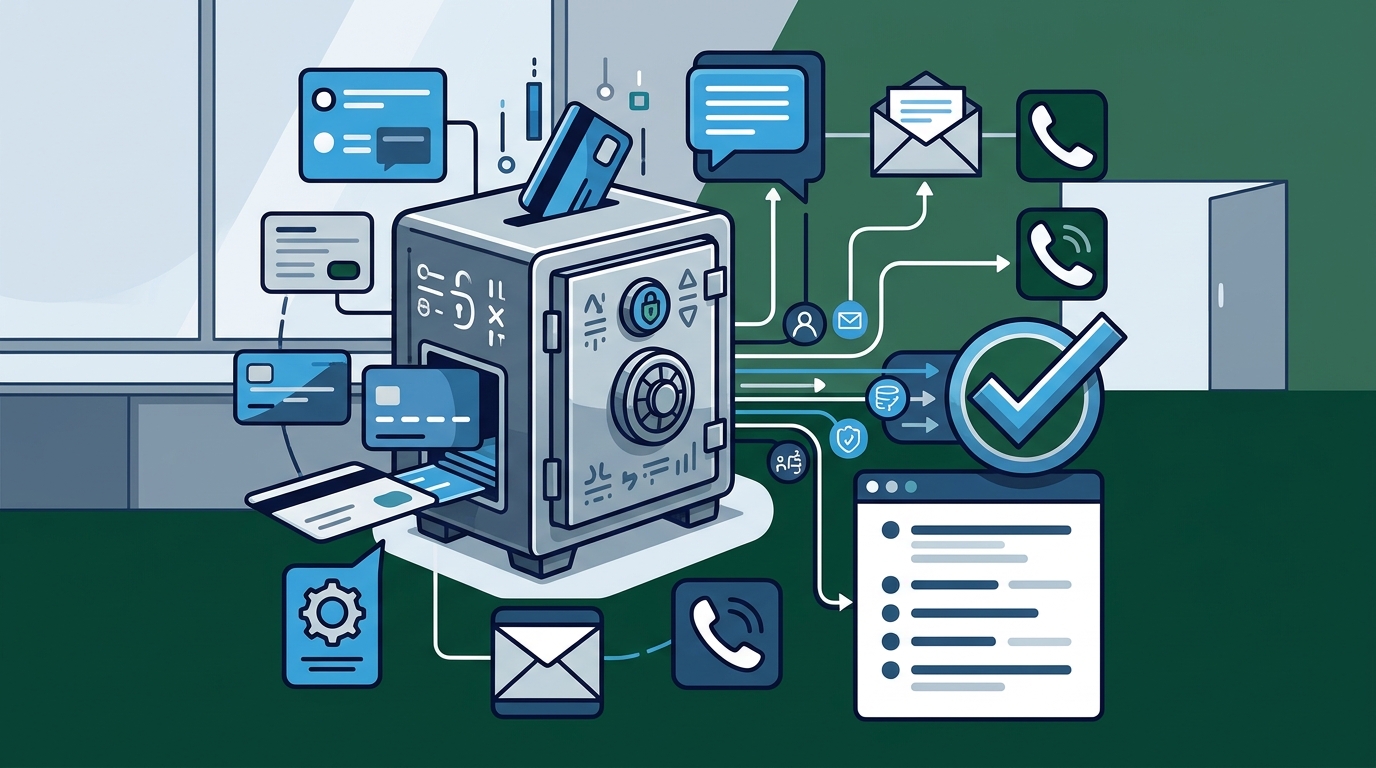
As technology evolves, so do the threats to customer data. Dealerships must future-proof their data security strategies by adopting scalable and secure solutions. This includes using AI-powered tools that can detect and respond to potential threats in real time. By investing in advanced security technologies, dealerships can stay ahead of emerging risks and protect their customers’ data effectively.
Future-proofing also involves staying informed about changes to PCI DSS and other relevant regulations. Dealerships should regularly review their compliance status and update their systems as needed. This ongoing commitment to security ensures that the dealership remains a trusted partner for its customers. By prioritizing data security, dealerships can build a strong foundation for long-term growth and success.
Key Takeaways
- PCI DSS is a mandatory standard for any dealership platform that handles payment card data.
- Non-compliance can result in financial penalties, legal liability, and reputational damage.
- Dealerships must ensure that their third-party vendors are also PCI DSS compliant.
- Operational discipline, including staff training and access controls, is critical for compliance.
- Regular monitoring and auditing help identify and address security vulnerabilities.
- Future-proofing your security strategy involves adopting scalable and AI-powered solutions.
- Partnering with established providers like Better Car People can simplify compliance efforts.
Frequently Asked Questions
What is PCI DSS?
PCI DSS is a set of security standards designed to ensure that all companies that accept, process, store, or transmit credit card information maintain a secure environment.
Is PCI DSS compliance mandatory for dealerships?
Yes, PCI DSS compliance is mandatory for any dealership that handles payment card data, as required by financial institutions and regulatory bodies.
How does PCI DSS apply to dealership customer data platforms?
PCI DSS applies to any digital platform that touches payment data, including CRM systems and BDC tools, requiring secure storage and transmission of customer information.
What are the consequences of non-compliance?
Non-compliance can result in financial penalties, higher processing fees, legal liability, and reputational damage for the dealership.
Do third-party vendors need to be PCI DSS compliant?
Yes, dealerships must ensure that their third-party vendors, such as BDC providers, are PCI DSS compliant to mitigate shared responsibility for data security.
How can dealerships future-proof their data security?
Dealerships can future-proof their data security by adopting scalable, AI-powered solutions and staying informed about changes to PCI DSS and other regulations.
Conclusion
PCI DSS compliance is not just a regulatory requirement but a critical component of dealership success. By prioritizing data security, dealerships can protect their customers, mitigate risk, and build trust. Partnering with established providers like Better Car People ensures that your communication channels are secure and compliant. For additional details, review the automotive dealership consulting resources available from Better Car People.