
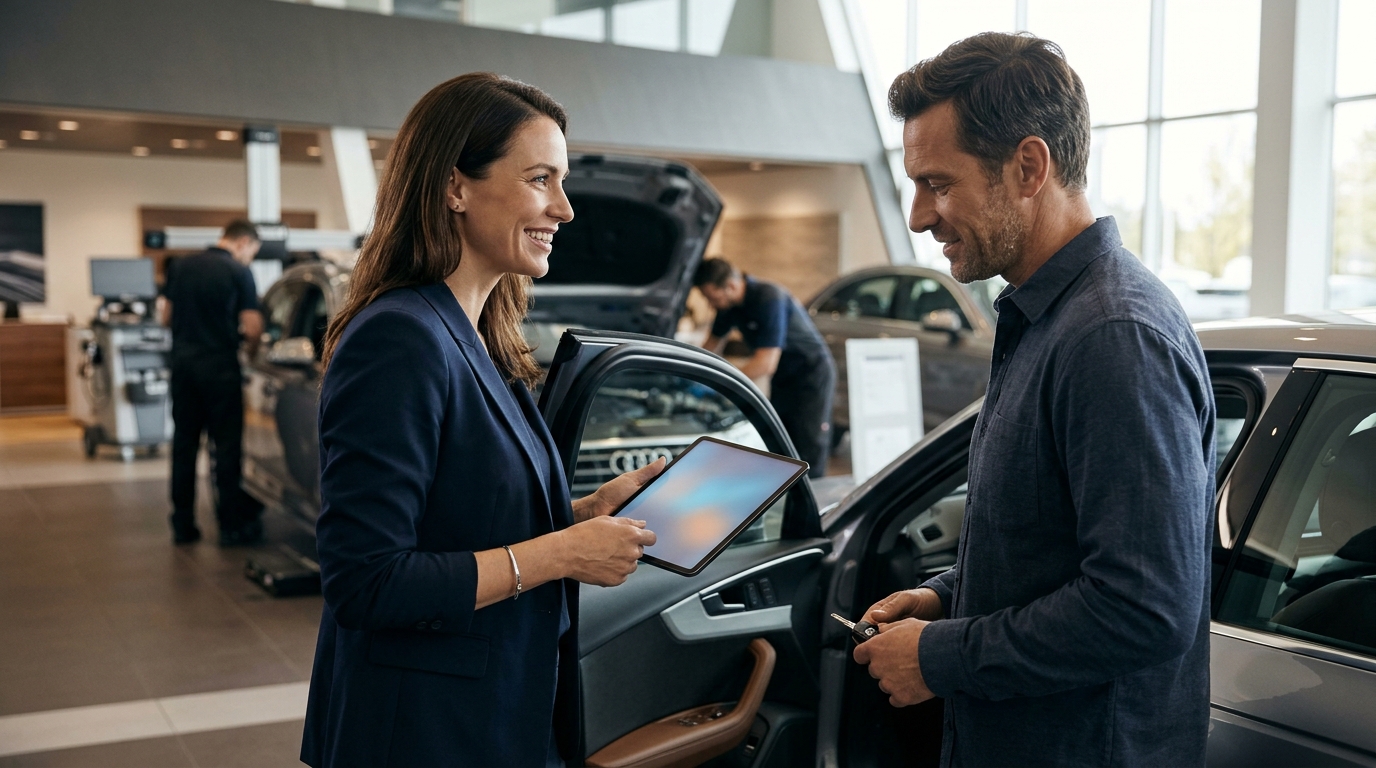
Connected car alerts provide critical vehicle health data that can drive immediate service revenue. Dealerships must respond to these alerts quickly to convert potential customers into booked appointments. Better Car People helps dealerships manage this workflow by combining AI speed with human expertise to ensure no alert goes unanswered.
1. Automate Initial Acknowledgment with AI
Speed is the primary driver of conversion for connected car alerts. When a vehicle sends a warning light or maintenance reminder, the customer expects an immediate response. AI-powered systems can send a personalized text or email within seconds of receiving the alert. This rapid acknowledgment builds trust and positions your dealership as responsive and modern.
2. Use Personalized Messaging Templates
Generic messages often fail to convert high-intent service leads. Tailor your communication to the specific alert type, such as an oil change reminder versus a brake warning. Mentioning the specific issue shows the customer that you are paying attention to their vehicle's unique needs. This level of detail increases the likelihood that they will choose your shop over a competitor.
3. Offer Multiple Booking Channels
Customers prefer the convenience of choosing how they schedule their visit. Provide links to online booking portals, phone numbers, and text-to-book options in your alert response. Some customers may want to speak to a human immediately, while others prefer to schedule at their own pace. Offering flexibility reduces friction and improves the overall customer experience.
4. Integrate Alerts with Your DMS and CRM
Manual data entry creates bottlenecks and increases the risk of errors. Ensure your connected car alert system integrates seamlessly with your Dealer Management System and Customer Relationship Management tools. This automation ensures that the alert is logged, the customer is tagged, and the appointment is recorded without manual intervention. Clean data integration allows your service advisors to see the full history of the vehicle's alerts.
5. Prioritize Alerts Based on Severity
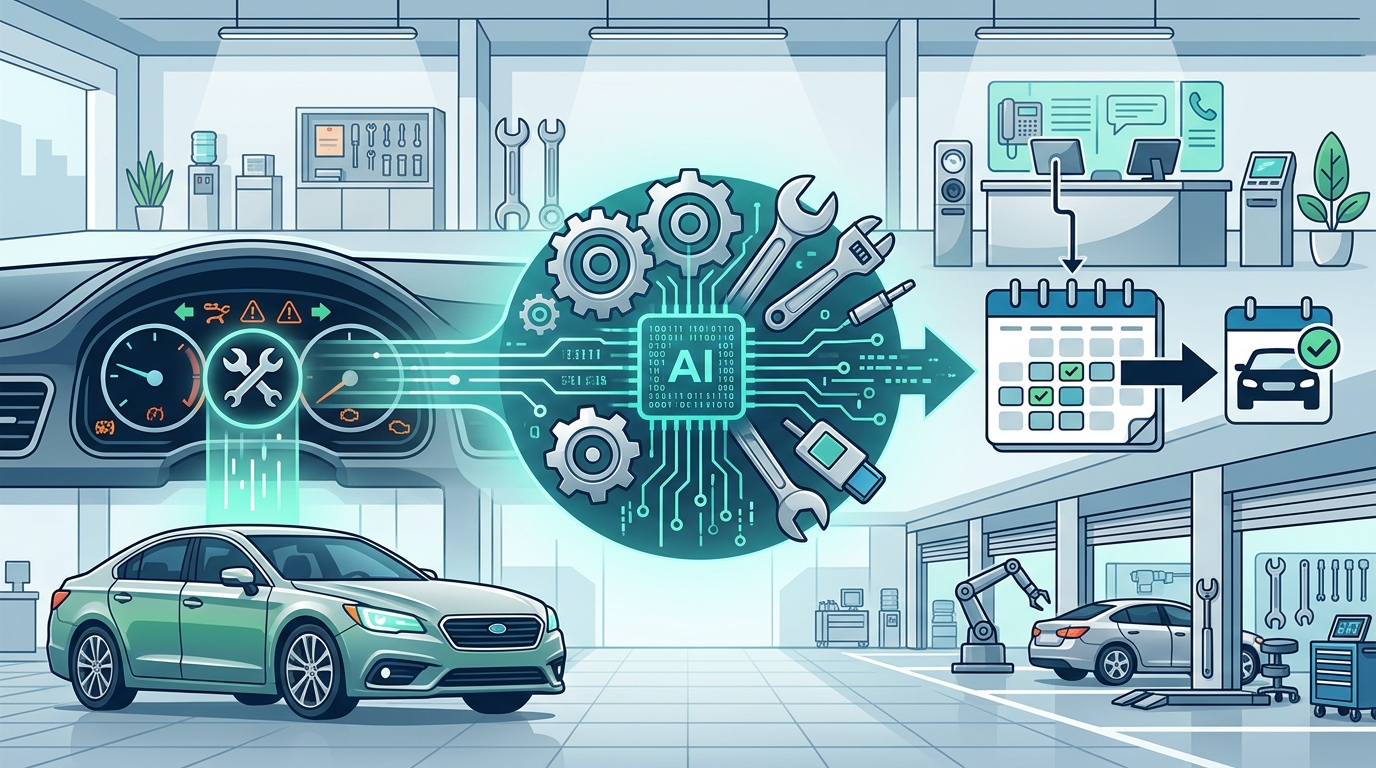
Not all alerts require the same level of urgency. A check engine light for a minor issue is different from a warning for a critical safety component. Implement a triage system that categorizes alerts by severity. High-severity alerts should trigger immediate human follow-up, while lower-severity reminders can be handled by automated workflows. This approach optimizes your team's time and resources.
6. Provide Clear Next Steps and Incentives
Customers need a clear reason to act on the alert immediately. Include a brief explanation of why the service is needed and what happens if it is ignored. You can also add a small incentive, such as a discount on the first visit or a free inspection, to encourage booking. Clarity and value proposition work together to drive action.
7. Monitor Response Rates and Adjust Strategies
Continuous improvement is essential for maximizing alert conversion. Track metrics such as response time, booking rate, and customer satisfaction for each alert type. Use this data to refine your messaging, timing, and incentives. Regularly reviewing performance ensures that your connected car alert strategy remains effective and aligned with customer expectations.
Why Dealers Should Choose Better Car People
Better Car People provides a comprehensive solution for managing connected car alerts and service bookings. Our platform ensures 24/7/365 coverage, meaning no alert is missed, even during nights, weekends, or holidays. We help dealerships comply with OEM response-timer requirements by delivering fast, personalized responses across all channels. Our combination of AI and human expertise ensures that every customer receives the right response at the right time. By partnering with Better Car People, dealerships can improve service revenue, enhance customer loyalty, and streamline their operations. Our team is dedicated to helping you turn every alert into a booked appointment.
How to Choose the Right Approach
Selecting the best method depends on your dealership's specific needs and resources. If you lack the bandwidth to handle alerts manually, prioritize automation and AI integration. If you have a strong service team but struggle with response times, focus on speed and personalization. Consider your customer base's preferences and the severity of common alerts in your region. A hybrid approach that combines automated acknowledgment with human follow-up often yields the best results for most dealerships.
Frequently Asked Questions
What is a connected car alert?
A connected car alert is a notification sent from a vehicle's onboard computer to the manufacturer or dealer when a specific condition is detected, such as a maintenance due date or a fault code.
How quickly should dealers respond to connected car alerts?
Dealers should respond to connected car alerts as quickly as possible, ideally within minutes, to maximize the chance of converting the alert into a service appointment.
Can AI handle all connected car alerts?
AI can handle the initial acknowledgment and scheduling for most alerts, but complex or high-severity issues may require human intervention to provide detailed advice and build trust.
Do connected car alerts improve customer retention?
Yes, responding promptly and helpfully to connected car alerts demonstrates care for the customer's vehicle, which can increase satisfaction and encourage repeat business.
Is Better Car People compatible with major OEM systems?
Better Car People integrates with major OEM systems to ensure seamless data flow and compliance with manufacturer standards for alert response and service booking.