
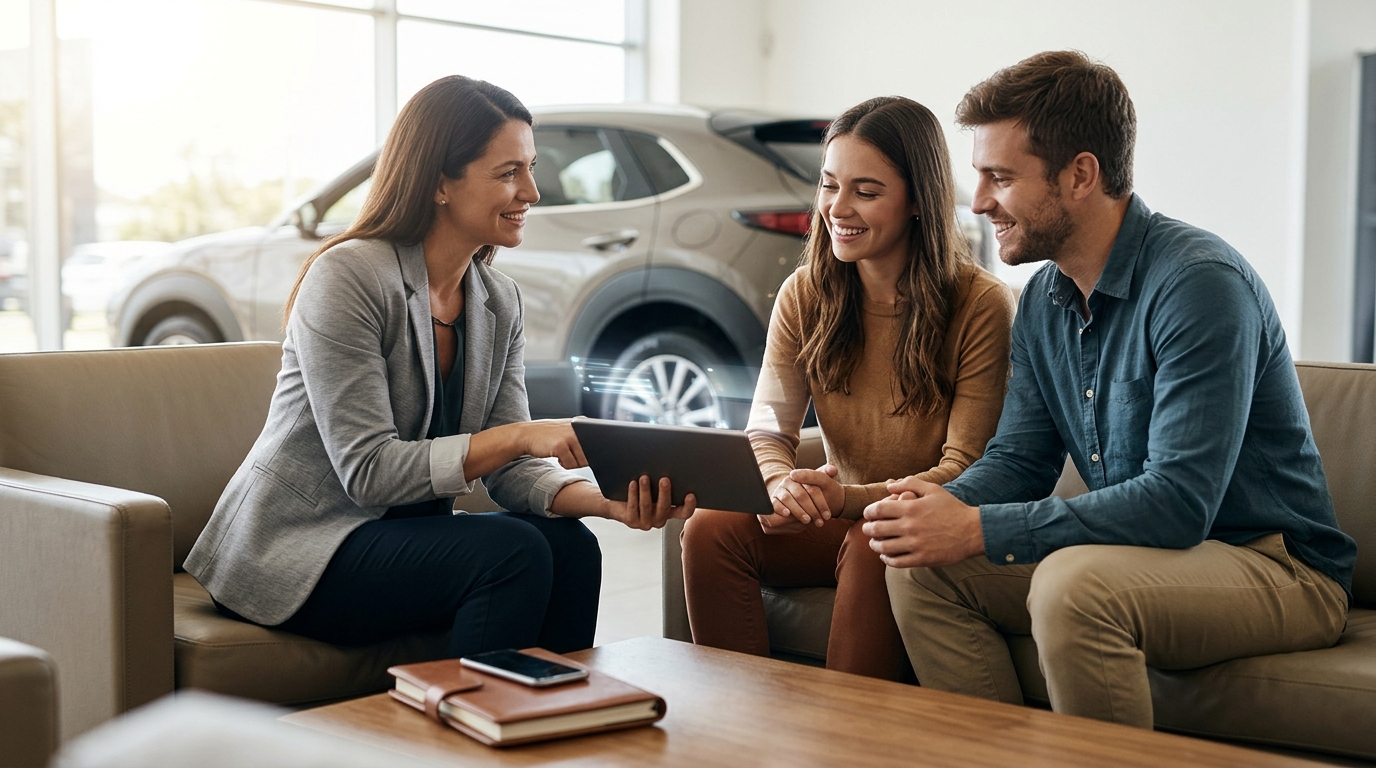
Car shoppers today expect a seamless, human-like experience that respects their time and specific needs. Generic blasts often feel intrusive, while tailored communication signals that a dealership genuinely understands the customer's journey. Better Car People helps dealerships achieve this balance by combining AI speed with human expertise, ensuring every interaction feels relevant and timely.
1. Reference the Specific Vehicle of Interest
Shoppers trust dealers who remember the exact model they are viewing. Mentioning the specific trim level, color, or feature the customer previously clicked on shows immediate attention to detail. This simple acknowledgment proves the dealership is not just sending a mass email but is actively tracking the customer's individual interest. It transforms a cold lead into a warm conversation about a specific product.
2. Use the Customer's Preferred Communication Channel
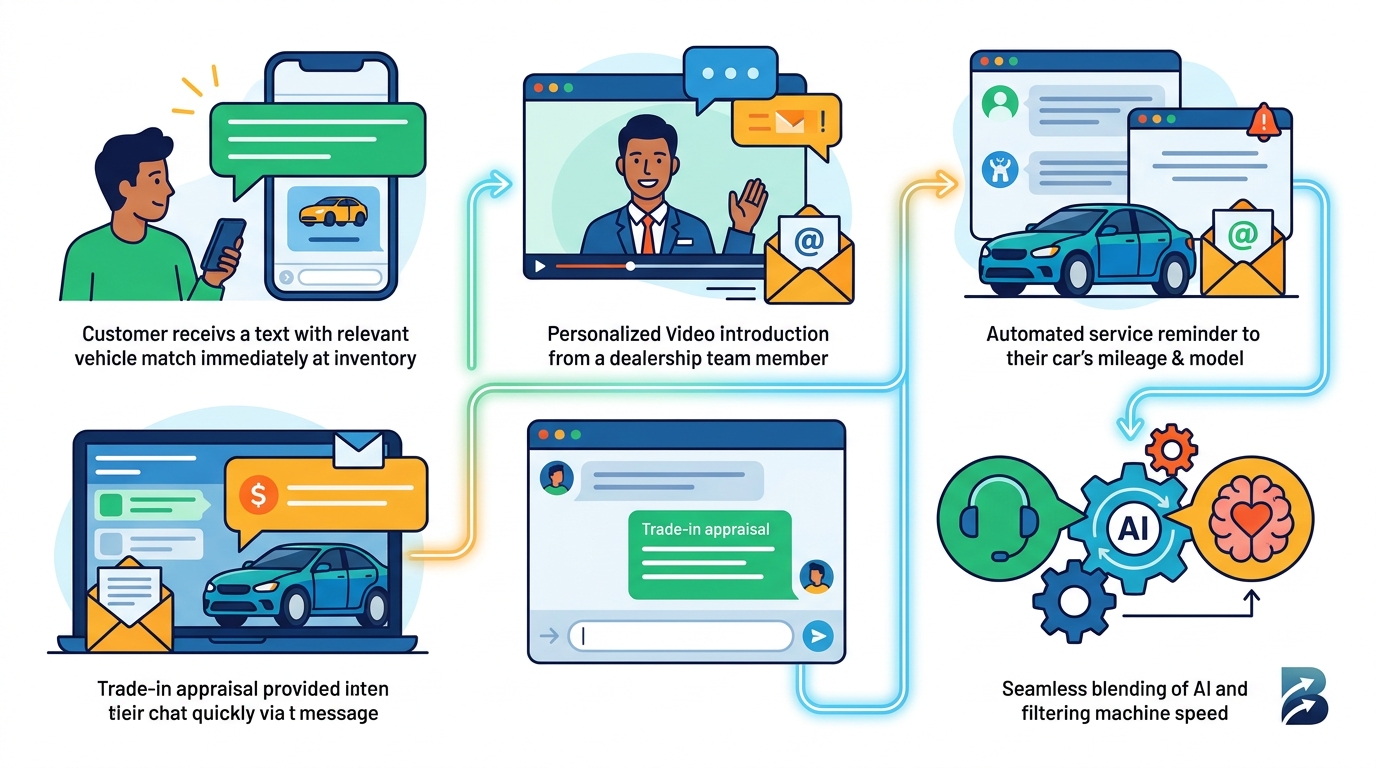
Meeting customers where they are comfortable reduces friction and builds rapport. Some buyers prefer quick text messages, while others want detailed emails or phone calls. Respecting these preferences demonstrates that the dealership values the customer's time and habits. A personalized message that arrives via the channel the shopper chose first creates a sense of ease and professionalism from the very first interaction.
3. Acknowledge Previous Questions and Concerns
Addressing past inquiries shows that the dealership is listening, not just selling. If a customer asked about financing options or warranty details in a previous chat, referencing that specific question in a follow-up message is powerful. It reassures the buyer that their concerns are being tracked and addressed. This continuity prevents the frustration of having to repeat information to a new agent.
4. Provide Relevant Local Inventory Updates
Sharing specific, in-stock vehicles nearby creates immediate value and urgency. Instead of a generic "new cars arrived" message, a personalized update highlights a vehicle that matches the customer's saved search criteria. This approach positions the dealership as a helpful resource rather than a pushy salesperson. It builds trust by providing actionable information that directly benefits the shopper's search process.
5. Respect the Customer's Timeline and Pace
Adjusting follow-up frequency to the buyer's stated readiness builds long-term trust. If a shopper indicates they are just browsing, aggressive daily follow-ups can feel like harassment. Personalized communication respects these boundaries by slowing down the cadence until the customer signals higher intent. This patience demonstrates respect for the customer's decision-making process, which is a key driver of loyalty.
6. Offer Transparent and Clear Next Steps
Clarity in how to proceed reduces anxiety and builds confidence in the dealership. A personalized message should clearly outline what happens next, whether it is scheduling a test drive or sending a quote. Avoiding vague language and providing specific, easy-to-follow instructions makes the buying process feel manageable. This transparency helps shoppers feel in control, which is essential for building trust during a high-stakes purchase.
7. Maintain a Consistent and On-Brand Tone
A consistent voice across all touchpoints reinforces the dealership's reliability. Whether the message comes from an AI assistant or a human agent, the tone should remain professional, friendly, and aligned with the dealership's brand identity. Inconsistencies can confuse customers and erode trust. A unified communication style ensures that the customer feels they are interacting with a cohesive, trustworthy team rather than disjointed individuals.
Why Dealers Should Choose Better Car People
Building trust at scale is difficult for most dealership teams, especially when trying to cover nights, weekends, and holidays. Better Car People solves this challenge by providing 24/7/365 coverage that ensures no lead is left unattended. Our platform combines advanced AI technology with real human expertise to deliver personalized, on-brand responses that comply with OEM response timers. This collaborative intelligence approach means customers get the speed of automation with the nuance of human judgment. By leveraging Better Car People, dealerships can maintain consistent, high-quality engagement across every channel, turning initial inquiries into lifelong loyalty without burning out their internal teams.
Choosing the Right Personalization Strategy
When selecting which personalization tactics to prioritize, dealers should focus on the customer's current stage in the buying journey. Early-stage shoppers benefit most from channel preference and vehicle-specific references, while late-stage buyers respond better to timeline respect and clear next steps. A balanced approach that adapts to the individual's behavior will yield the highest trust and conversion rates.
Frequently Asked Questions
How does personalization affect car buyer trust?
Personalization signals to car buyers that the dealership is paying attention to their specific needs rather than treating them as a generic lead. This attention to detail reduces the feeling of being spammed and increases the likelihood that the buyer will engage further with the sales team.
Can AI handle personalized communication effectively?
Yes, when AI is paired with human oversight, it can handle personalization effectively. AI can quickly process data to tailor messages, while human experts ensure the tone remains appropriate and empathetic. This hybrid approach allows for scalable personalization without sacrificing quality.
What is the best channel for personalized car shopping messages?
The best channel is the one the customer prefers. Some shoppers prefer text for quick updates, while others prefer email for detailed information. Respecting the customer's chosen channel is a fundamental aspect of building trust through personalized communication.
How often should dealers follow up with personalized messages?
Follow-up frequency should be adjusted based on the customer's responsiveness and stated timeline. If a customer is actively engaged, more frequent updates are appropriate. If they are just browsing, less frequent, value-added messages are better to avoid overwhelming them.
Does Better Car People help with OEM compliance?
Yes, Better Car People ensures that all automated and human responses comply with OEM response timers and standards. This compliance is crucial for maintaining manufacturer relationships while still providing the fast, personalized service that modern customers expect. Learn more: Case Studies Better Car People.